











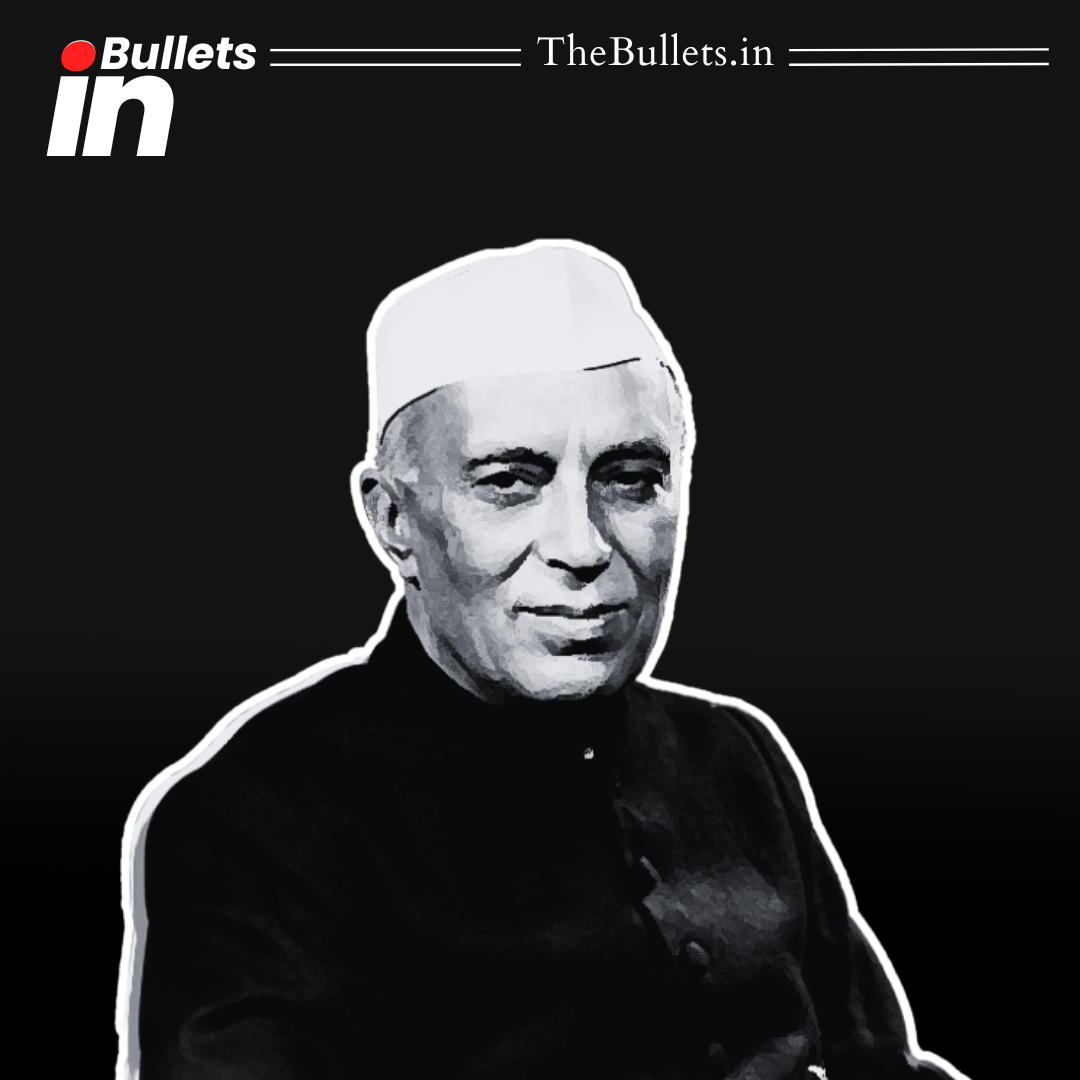


In 1951, India’s first Prime Minister, Jawaharlal Nehru, moved to amend the Constitution to curb absolute freedom of speech. Facing legal challenges and communal tensions, he sought restrictions on Article 19(1)(a) to prevent inflammatory speech and press criticisms that, he believed, threatened national stability.
BulletsIn
- Nehru felt unrestricted free speech led to communal strife.
- RSS’s Organiser & Left’s Cross Roads criticized govt policies.
- 1950: Bombay HC upheld fundamental rights, unsettling Nehru govt.
- Supreme Court struck down press restrictions, citing free speech.
- Nehru saw judiciary limiting govt’s ability to curb hate speech.
- Patel warned legal framework restricted govt action on extremists.
- 1951: Nehru proposed First Amendment to limit free speech.
- Amendment added “reasonable restrictions” to Article 19(1)(a).
- Press, opposition, and judiciary resisted but Nehru pushed through.
- June 18, 1951: Amendment passed with 228 votes in favor.



What do you think?
It is nice to know your opinion. Leave a comment.