











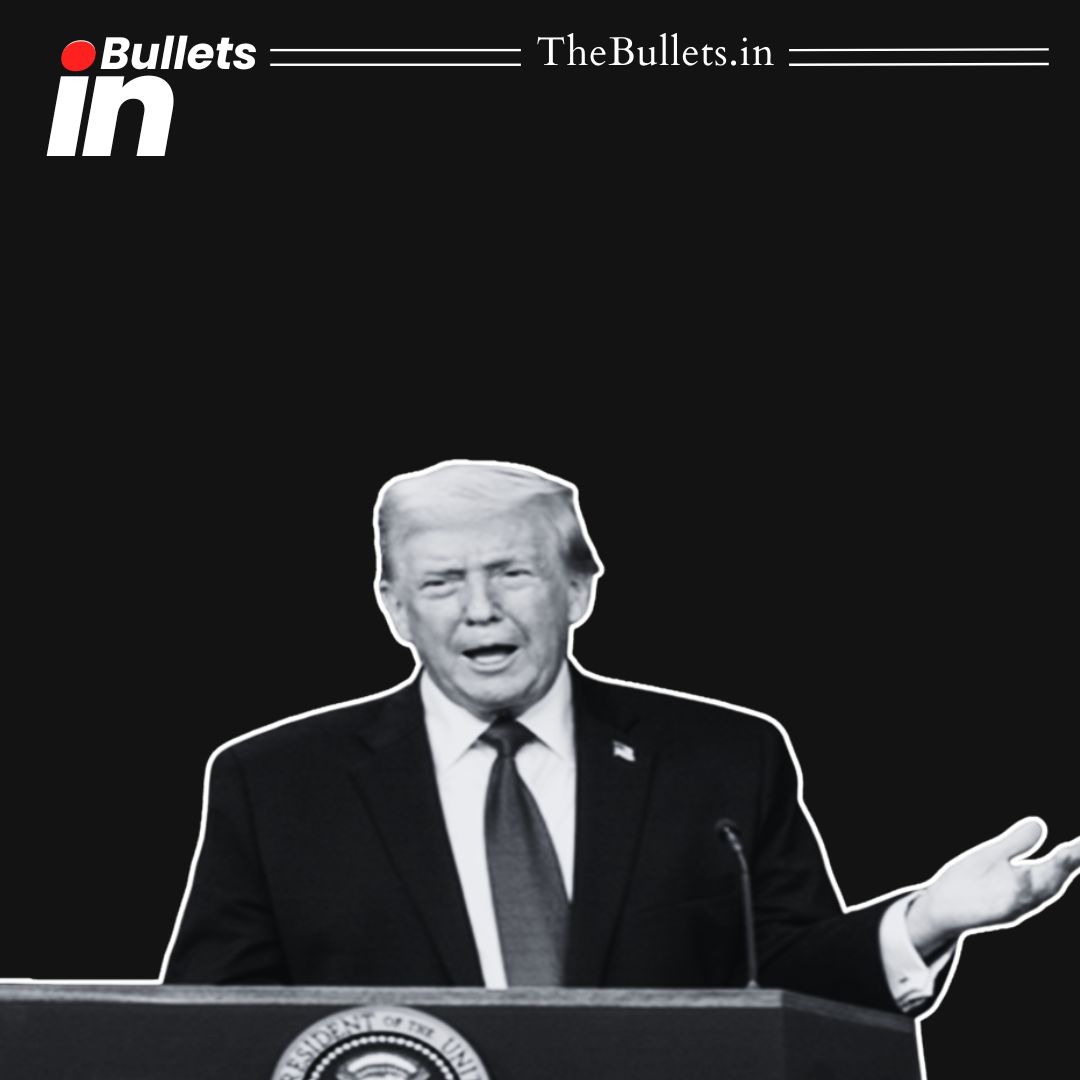


Donald Trump’s large-scale military strikes on Iran have escalated Middle East tensions, raising questions about regime change, regional stability and U.S. long-term strategy.
BulletsIn
- President Donald Trump launched large-scale airstrikes on Iran, calling the operation a decisive move to eliminate ballistic missile threats and nuclear ambitions.
- Trump announced that Iran’s Supreme Leader Ayatollah Ali Khamenei had been killed, though there was no immediate confirmation from Tehran authorities.
- The operation, dubbed “Operation Epic Fury,” could become the largest U.S. military campaign since wars in Afghanistan and Iraq.
- Analysts warn the strikes risk escalating into a broader regional conflict, potentially destabilizing oil-rich Middle Eastern nations hosting U.S. military bases.
- Trump has openly advocated regime change in Tehran, suggesting air power could trigger a popular uprising against Iran’s clerical leadership.
- Experts argue that outside airstrikes alone have historically failed to topple entrenched governments without sustained ground involvement or internal armed resistance.
- Iran retaliated by launching missiles toward Israel and Gulf states, intensifying fears of prolonged military confrontation across the region.
- Critics question the strategic clarity behind the strikes, warning of political risks ahead of U.S. midterm elections and growing domestic economic concerns.



What do you think?
It is nice to know your opinion. Leave a comment.