











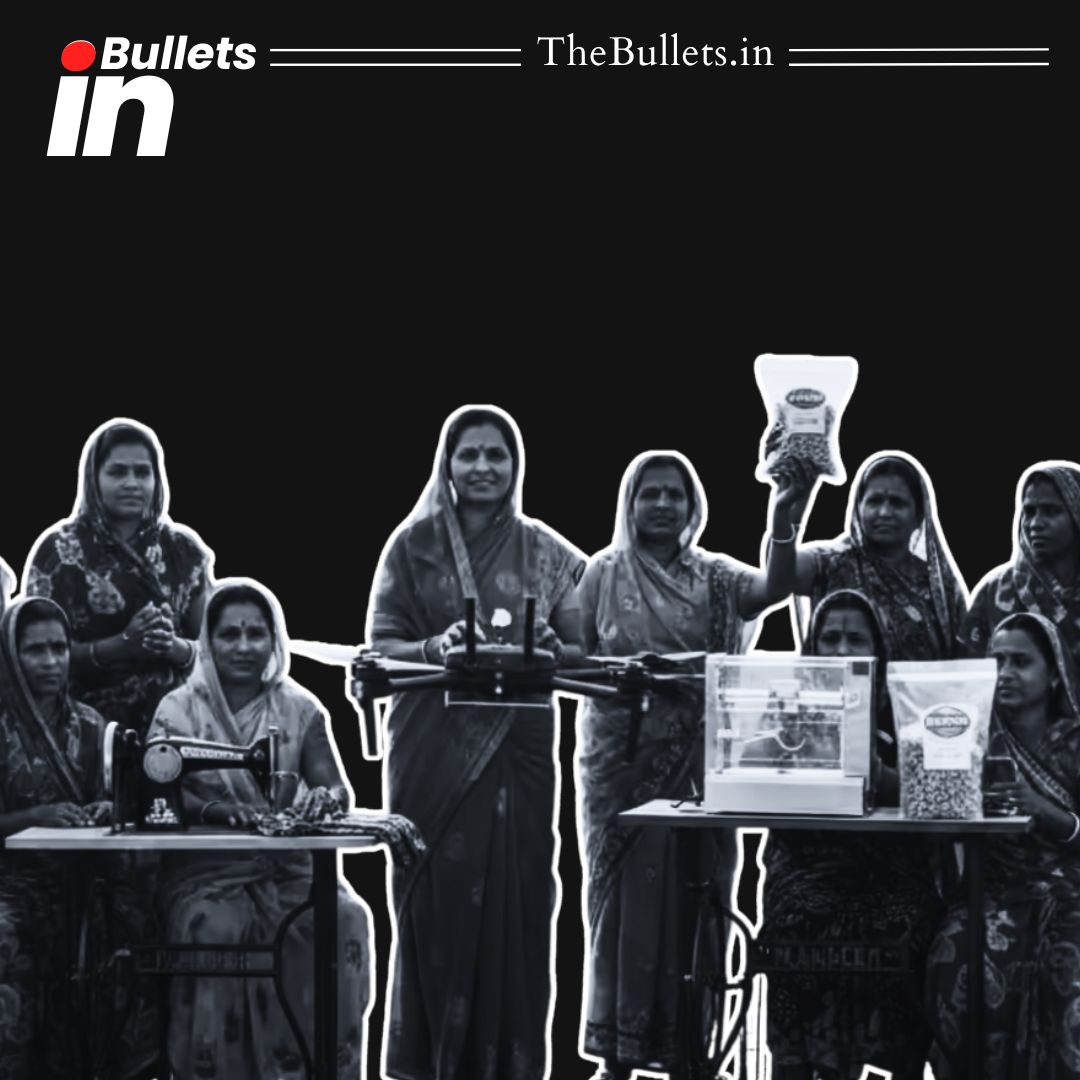


Self-Help Groups have become powerful instruments of socio-economic progress by strengthening rural livelihoods, women’s empowerment, financial inclusion, and grassroots governance.
BulletsIn
- Self-Help Groups were introduced to provide marginalized communities, especially women, with financial access, entrepreneurship opportunities, and sustainable livelihood support.
- SHGs directly support constitutional goals by promoting economic independence, social justice, village self-governance, and community welfare.
- Through collective savings and microcredit systems, SHGs enable members to establish small enterprises, improve income security, and reduce poverty.
- These groups significantly advance awareness in education, sanitation, healthcare, legal rights, and gender equality across rural populations.
- SHGs have strengthened women’s participation in Panchayati Raj Institutions, increasing grassroots leadership and policy influence.
- Nationally successful programmes such as Jeevika, Kudumbashree, and Pudhu Vaazhvu showcase SHGs’ transformative role in poverty eradication.
- Persistent challenges include inadequate market access, limited capacity-building resources, and overdependence on external funding support.
- SHGs remain central to India’s strategy for sustainable development, women-led progress, and long-term inclusive economic growth.



What do you think?
It is nice to know your opinion. Leave a comment.