











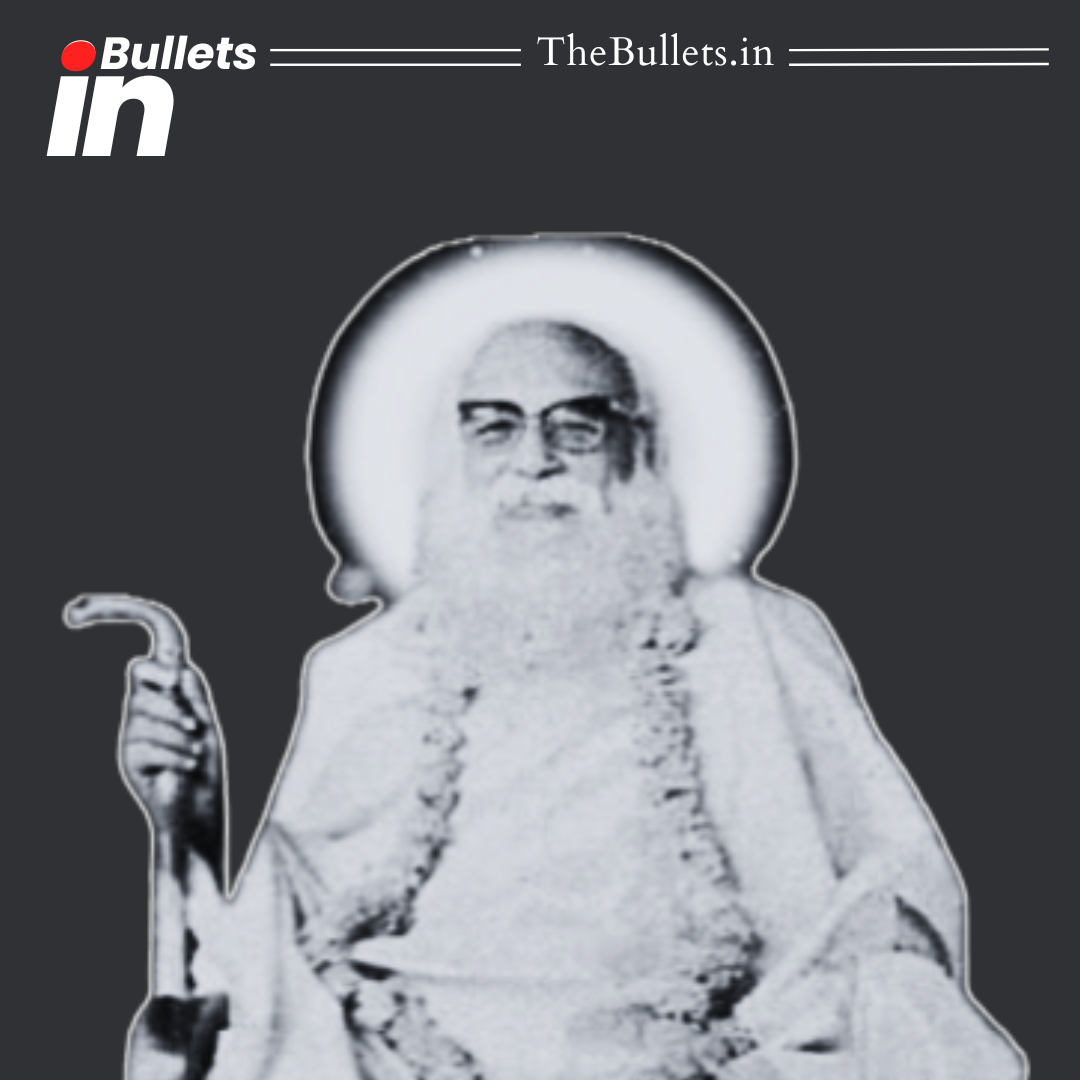


Founded in Bombay in 1849, Paramahansa Mandali promoted equality, rationalism, women’s rights and challenged rigid caste-based social and religious practices.
BulletsIn
- Paramahansa Mandali was established in Bombay in 1849 by progressive reformers including Dadoba Pandurang and Durgaram Mehtaji as a secret society.
- The organization emerged as an important socio-religious reform movement that challenged caste discrimination and orthodox Hindu social practices in nineteenth-century India.
- Paramahansa Mandali promoted belief in one formless God while rejecting idol worship, ritualism and superstitious religious customs prevalent during that period.
- Dadoba Pandurang explained the movement’s principles in “Dharma Vivechan” emphasizing rational thinking, equality, morality and freedom of spiritual thought.
- The reform group organized inter-caste community gatherings and shared meals to break rigid caste barriers and promote social unity among people.
- Paramahansa Mandali strongly supported women’s education, widow remarriage and opposed child marriage to improve women’s social and educational status.
- The movement encouraged scientific reasoning and humanistic values instead of blind religious orthodoxy and rigid traditional social structures.
- Paramahansa Mandali later influenced major reform organizations including Prarthana Samaj and Satyashodhak Samaj in western India.



What do you think?
It is nice to know your opinion. Leave a comment.