











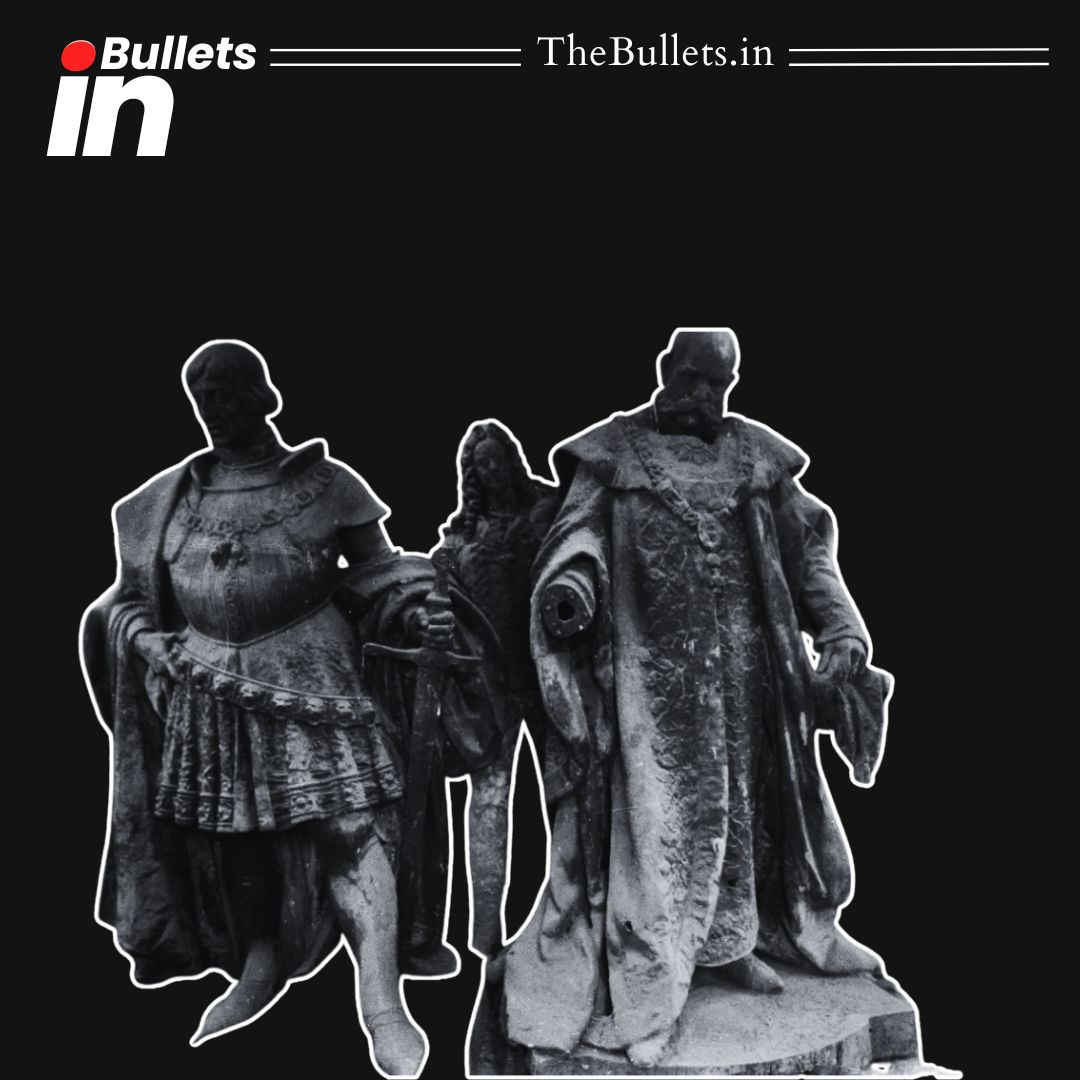


The Habsburg monarchy — a patchwork of territories across Central and Eastern Europe — seemed unlikely to endure, yet it lasted until the catastrophe of World War I. From early modern state-building to pragmatic compromises, a mix of institutional strength, regional protections and cultural infrastructure kept the empire together until total war tore those mechanisms apart.
BulletsIn
- Effective 18th-century state-building under Maria Theresa and Joseph II created stronger administration and reform momentum.
- 1867 Compromise with Hungary (Dual Monarchy) neutralised the empire’s most powerful centrifugal force and bought political stability.
- Military manpower and strategic reliability made Habsburgs a useful ally against European hegemons (e.g., Napoleonic France).
- The monarchy functioned as a guarantor for smaller nations: many minorities saw the empire as protection vs. larger neighbours.
- Bureaucratic competence, reasonably even governance and rule-of-law often preferred to chaotic alternatives.
- Shared cultural institutions (theatres, museums, architecture, cafés, opera) created cross-national loyalty and common civic life.
- Empire built into the landscape: legal codes, urban planning, monuments and everyday culture (food, language practices) outlasted political collapse.
- Periodic repression (1848 revolts, bombardment of Prague) showed coercive capacity — which both preserved order and fuelled resentment.
- The First World War concentrated and amplified faultlines (nationalism, social unrest, economic strain) beyond the empire’s capacity to manage.
- Conclusion: survival owed to pragmatic compromise, institutional reach and cultural integration — collapse came when total war removed the room for balancing competing pressures.



What do you think?
It is nice to know your opinion. Leave a comment.