











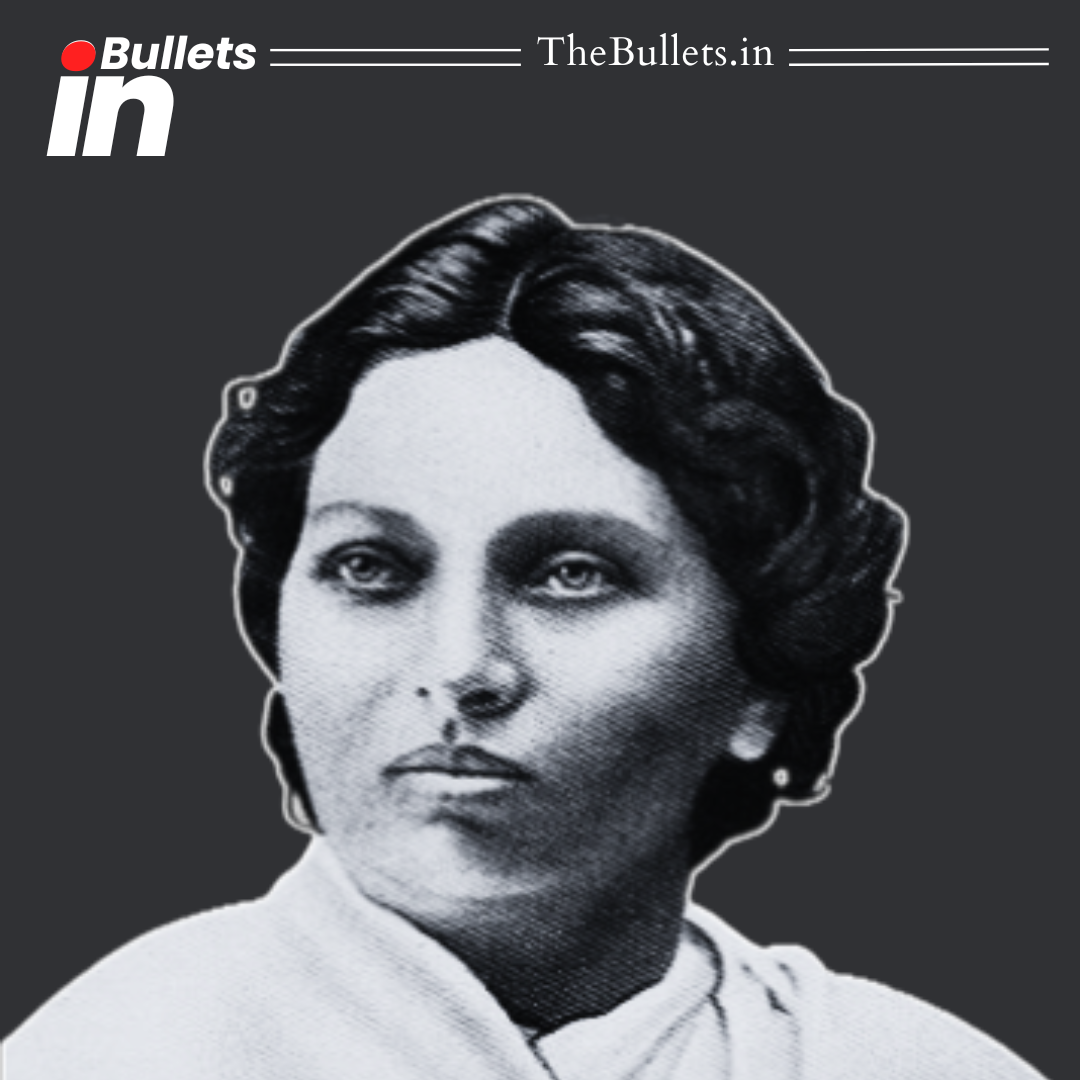


Pandita Ramabai transformed women’s education and social reform in colonial India through revolutionary initiatives focused on widow welfare, female literacy, and gender equality.
BulletsIn
- Pandita Ramabai was born in 1858 in Karnataka and became one of India’s most influential women’s rights reformers.
- Ramabai gained recognition for mastering Sanskrit at a young age and later received the prestigious titles “Pandita” and “Sarasvati” for her scholarship.
- She established the Arya Mahila Samaj in 1882 to promote women’s education and strongly oppose child marriage and discriminatory social traditions.
- In 1889, Ramabai founded Sharada Sadan which provided education, shelter, and vocational training opportunities for widows and abandoned women.
- Ramabai openly criticised rigid caste practices, social oppression, and restrictions imposed on widows within traditional Indian society during colonial rule.
- Her famous literary work “The High-Caste Hindu Woman” exposed gender inequality and highlighted the harsh realities faced by upper-caste women.
- She later established the Mukti Mission to support widows, orphaned girls, and socially marginalised women through education and rehabilitation programmes.
- Pandita Ramabai’s contributions significantly influenced women’s empowerment, social justice, and educational reforms across modern Indian society.



What do you think?
It is nice to know your opinion. Leave a comment.