











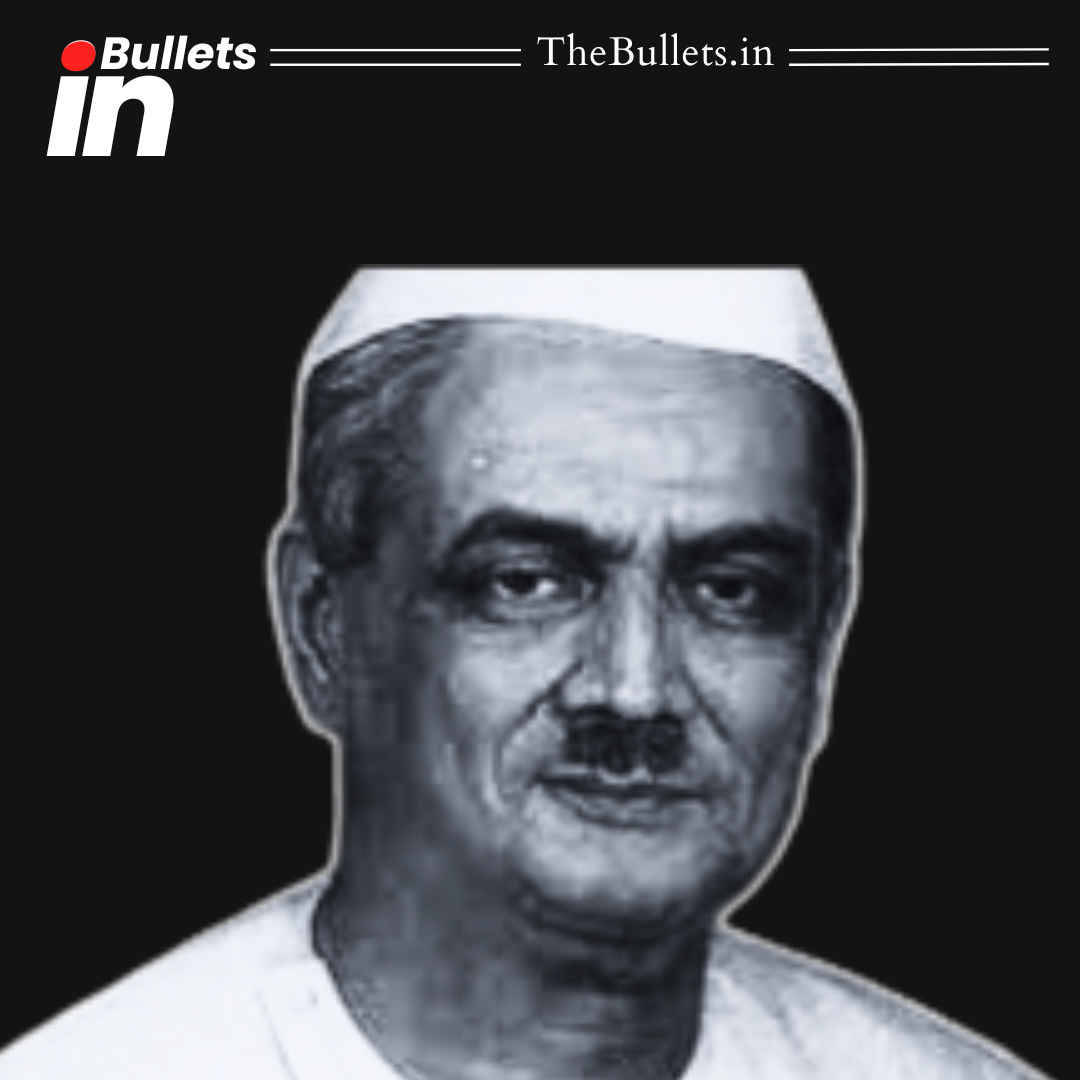


India’s first Lok Sabha Speaker, G.V. Mavalankar, faced the first-ever motion seeking his removal in 1954 but survived after an intense parliamentary debate, setting an enduring democratic precedent.
BulletsIn
- G.V. Mavalankar became the first Lok Sabha Speaker to face a formal removal motion in December 1954 after opposition members criticised his handling of parliamentary proceedings.
- The motion was primarily driven by dissatisfaction over the rejection of adjournment motions and parliamentary questions, with critics alleging that the Speaker restricted legislative scrutiny.
- Dr. N.B. Khare accused the Speaker of acting arbitrarily and displayed several rejected questions in the House while expressing strong dissatisfaction with procedural decisions.
- Prime Minister Jawaharlal Nehru strongly defended Mavalankar, describing the allegations as lacking substance and arguing that removal motions should be reserved for exceptional circumstances.
- Mavalankar played a foundational role in shaping India’s parliamentary traditions by strengthening committee systems, promoting accountability, and protecting the independence of legislative institutions.
- The Lok Sabha ultimately rejected the removal motion through a voice vote, allowing Mavalankar to continue serving as Speaker and reinforcing parliamentary stability.
- The debate highlighted the delicate balance between maintaining legislative discipline and ensuring adequate opportunities for opposition parties to question the government.
- The historical episode has regained attention because Parliament is expected to witness discussions on a similar motion involving the office of the Lok Sabha Speaker.



What do you think?
It is nice to know your opinion. Leave a comment.