











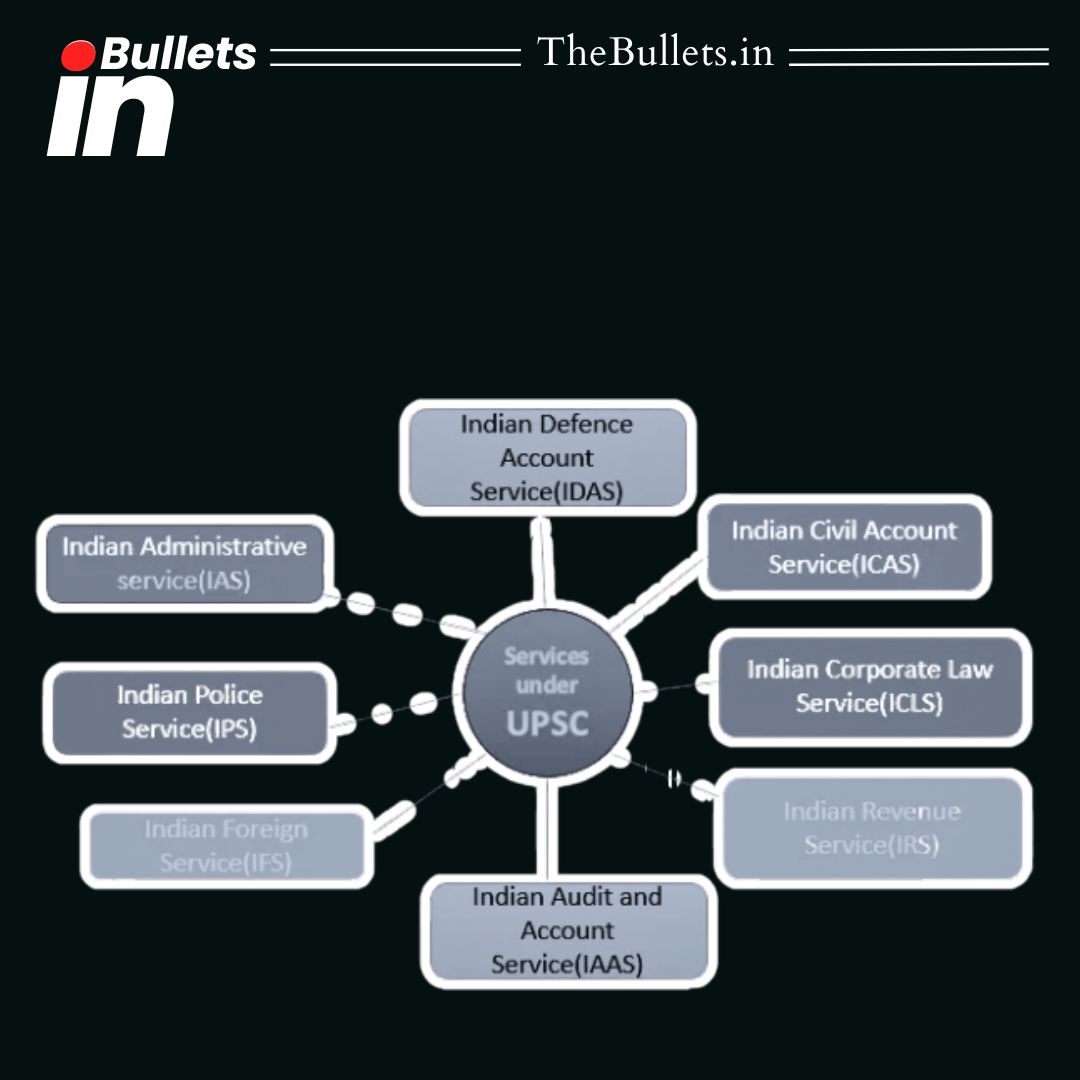


Public Service Commissions manage recruitment to civil services in India. Established under Articles 315–323 of the Constitution, they ensure merit-based selection and strengthen transparent public administration.
BulletsIn
-
Constitution establishes Union Public Service Commission and State Public Service Commissions under Articles 315–323, ensuring independent recruitment mechanisms that safeguard merit, transparency, and efficiency in India’s civil services.
-
Union Public Service Commission conducts recruitment for central government services, while State Public Service Commissions organize examinations, interviews, and selection processes for administrative posts within respective state governments.
-
Members of Union Public Service Commission serve six years or until sixty five years of age, whereas State Public Service Commission members serve six years or until sixty two years.
-
President appoints and removes Union Public Service Commission members, while governors appoint State Public Service Commission members, though removal authority for both commissions ultimately rests with the President.
-
Commissions advise governments on recruitment methods, promotion principles, disciplinary matters, service extensions, temporary appointments exceeding one year, and legal expense claims of civil servants.
-
Recommendations of Union Public Service Commission and State Public Service Commissions remain advisory, and governments explain cases of non acceptance through annual reports presented to Parliament or state legislatures.
-
Financial independence maintained as salaries, allowances, pensions, and operational expenses of commissions are charged on the Consolidated Fund of India or respective state consolidated funds.
-
Joint State Public Service Commission may be created through parliamentary legislation upon request of state legislatures, enabling common recruitment systems for two or more participating states.



What do you think?
It is nice to know your opinion. Leave a comment.