





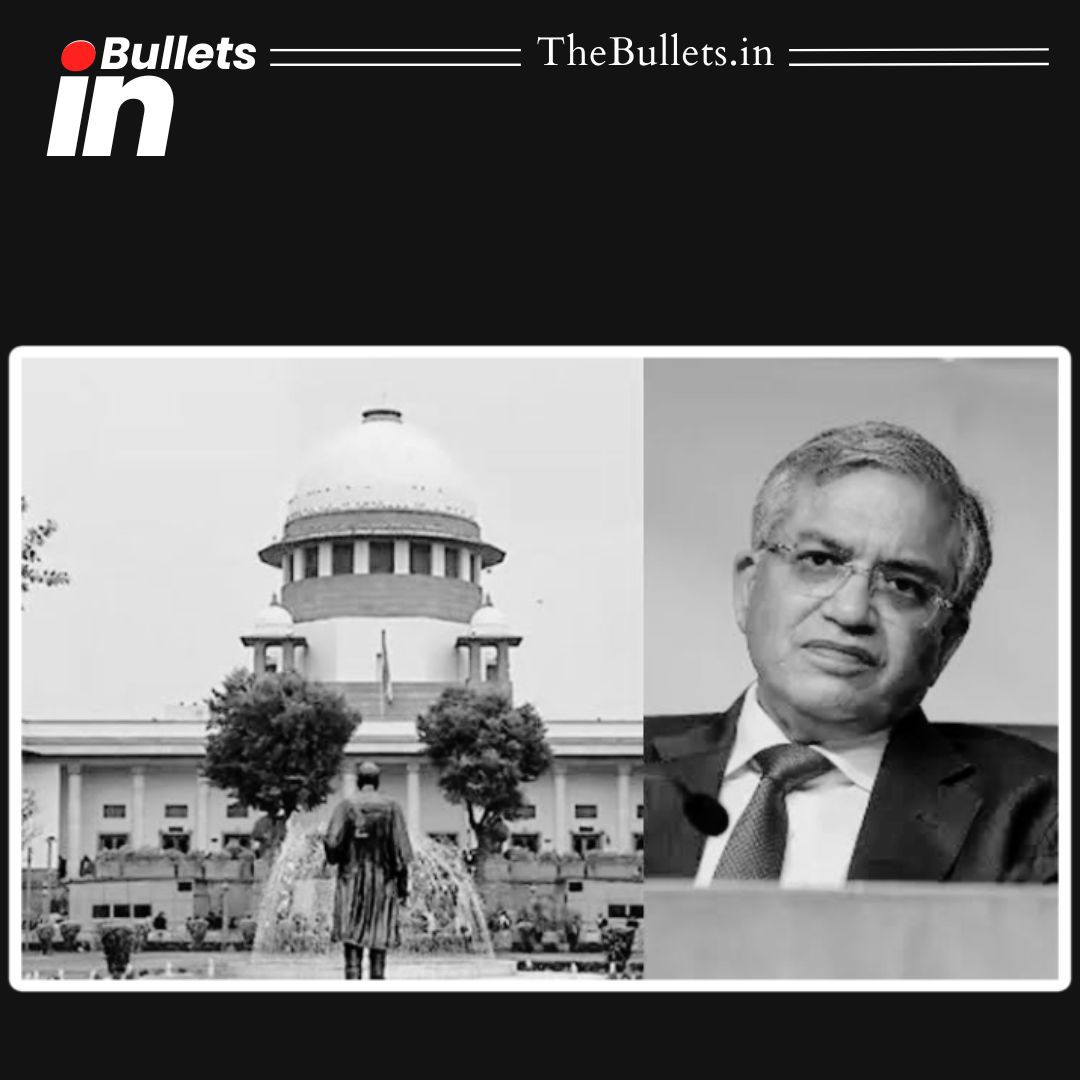


A curative petition alleges bias in the 23 September 2026 split verdict on the 2023 Act, and the Court is reported to be examining the request to hear it.
BulletsIn
- On 23 September 2026, a two-judge Supreme Court Bench split on whether challenges to the Chief Election Commissioner and Other Election Commissioners Act, 2023 should go to a larger Bench.
- Justice Dipankar Datta rejected the reference, holding that free and fair elections are a basic feature and the Election Commission must be insulated from exclusive executive control.
- Justice Satish Chandra Sharma held that the petitions could be placed before the Chief Justice for a Constitution Bench on the validity of Sections 6, 7 and 8.
- The 2023 Act excludes the Chief Justice of India from the committee that selects the CEC and Election Commissioners.
- The split was reportedly about procedure, namely whether to refer the matter, and not about the Act's validity.
- A curative petition by Jaya Thakur seeks recall of the verdict, citing reasonable apprehension of bias and propriety.
- It says Justice Sharma's son has been a standing counsel for the Election Commission before the Madhya Pradesh High Court since July 2024.
- The plea invokes Article 32 read with Article 142 and the Supreme Court's inherent jurisdiction.
- On 8 October 2026, newspapers reported that the Supreme Court will examine the request to hear the recall plea.
- The Court must also decide whether a curative petition can lie against an order that placed the matter before the Chief Justice.
- The 2023 Act followed the March 2023 Anoop Baranwal ruling, which set up a Collegium-style panel including the CJI until Parliament enacted a law.
Tags: ElectionCommission, CECAppointmentAct2023, CurativePetition



What do you think?
It is nice to know your opinion. Leave a comment.