











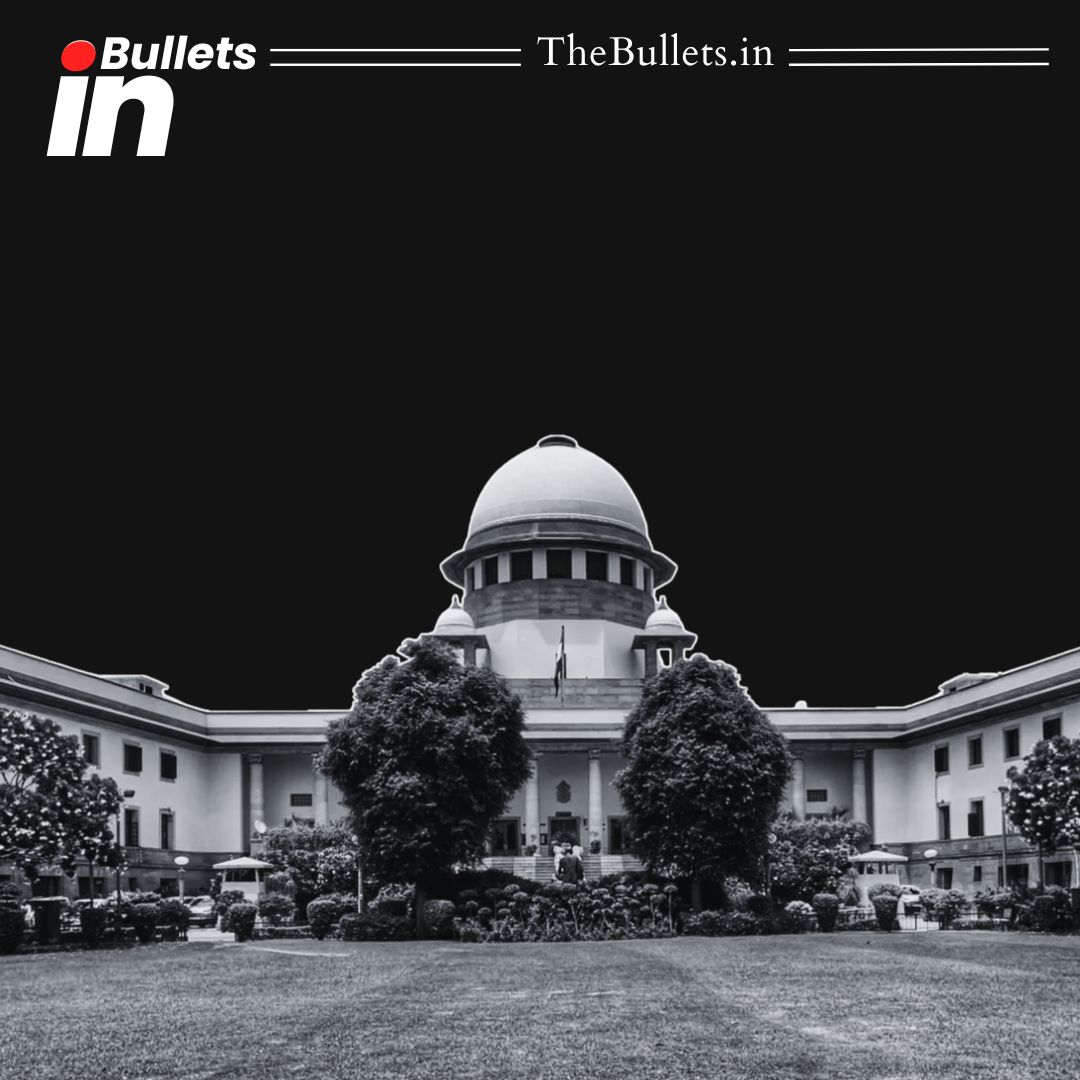


The Indian Constitution, under Articles 124 to 147, outlines the structure, powers, and responsibilities of the Supreme Court. This apex judicial body has binding authority over all Indian courts. It plays a vital role in upholding constitutional order and ensuring justice across the nation.
BulletsIn
- Supreme Court governed by Articles 124–147 under Chapter IV, Part V of Constitution
- Article 124: Supreme Court includes Chief Justice + max 7 judges unless Parliament increases number
- Judges appointed by President after consulting judiciary; retire at age 65
- SC law binding on all Indian courts (Article 141)
- Article 131: SC has original jurisdiction in Centre-State or inter-State disputes
- Article 132–134: SC hears civil/criminal appeals if substantial constitutional questions involved
- Article 136: SC can grant special leave to appeal from any court/tribunal
- Article 137: SC can review its own judgments
- Article 139: SC may issue writs like habeas corpus, mandamus, etc.
- Article 142: SC can enforce its orders to ensure complete justice



What do you think?
It is nice to know your opinion. Leave a comment.