











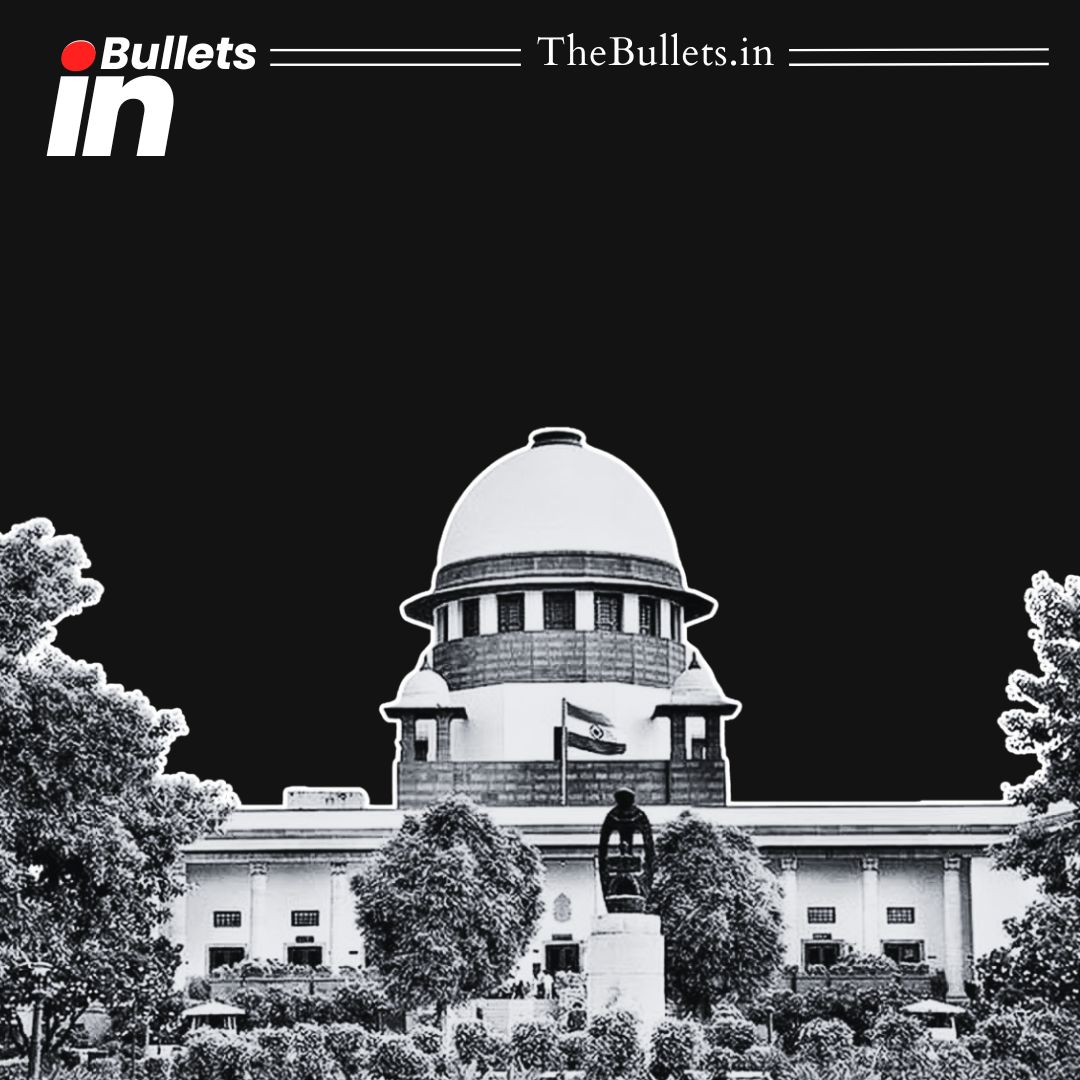


The Supreme Court of India, established on January 28, 1950, completed 75 years of its existence, marked by commemorative events in 2024 including a new flag, insignia, stamp, and coin. Over the decades, the apex court has shaped India’s constitutional framework through landmark judgments, judicial innovation, and expanded access to justice.
BulletsIn
- 75 years completed since establishment on 28 Jan 1950; commemorated with new flag, insignia, stamp, coin.
- Originated from Federal Court (1937–1950); replaced Privy Council as final appellate body.
- Inaugural session held in Parliament’s Chamber of Princes; moved to Tilak Marg in 1958.
- Judge strength expanded from 8 (1950) to 34 (2019) due to rising caseload.
- Landmark rulings: Kesavananda Bharati (basic structure), SR Bommai (Article 356 limits), Vishaka (workplace safety), Puttaswamy (privacy).
- Pioneered PIL system, widening access for marginalized and enhancing judicial activism.
- Constitutional provisions (Articles 124–147) ensure structure, powers, appointments, independence.
- Strong safeguards for judicial independence: removal only via impeachment, no post-retirement practice, salaries charged to Consolidated Fund.
- New open-eyed Justitia statue symbolizes vigilance, inclusiveness, and Indian cultural identity.
- Key challenges: backlog, transparency debates in collegium, accusations of judicial overreach.
- Court expanding digital reforms: e-courts, virtual hearings to improve access.



What do you think?
It is nice to know your opinion. Leave a comment.