









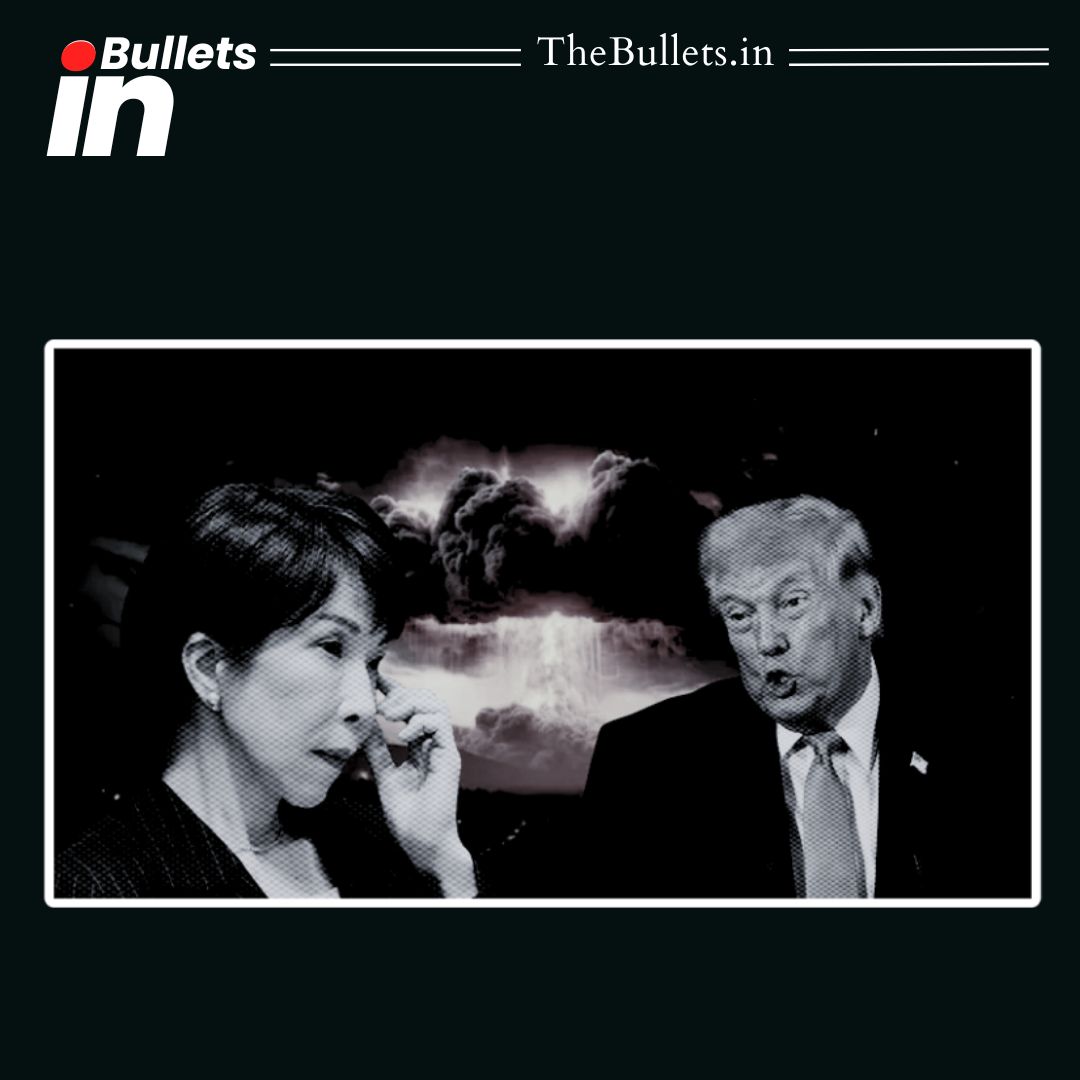


Eighty years after Hiroshima, Japan faces growing pressure from the United States to play a stronger role in the Iran nuclear crisis amid rising Middle East tensions.
BulletsIn
- Eight decades after the Hiroshima bombing, Japan is being urged by US President Donald Trump to counter Iran’s nuclear ambitions, creating a historic geopolitical dilemma.
- Washington has asked Japan to deploy maritime forces and minesweepers in the Strait of Hormuz to secure global oil routes disrupted by ongoing conflict.
- The US argues Japan’s dependence on Middle Eastern energy and long-standing American security support obligate Tokyo to contribute more actively in the crisis.
- Japan remains hesitant due to its pacifist constitution and post-war identity shaped by the trauma of Hiroshima atomic bombing and nuclear devastation.
- Prime Minister Sanae Takaichi faces strong domestic opposition, with public opinion largely against involvement in any military action related to Iran.
- Strategically, Japan is balancing US demands with concerns over regional security, particularly rising tensions with China in the Indo-Pacific region.
- The shift of US military resources from Asia to the Middle East has raised fears in Tokyo about weakening deterrence against threats in the East China Sea and Taiwan.
- Japan may expand its defence cooperation with the US through initiatives like the Golden Dome missile defence programme, signalling a gradual shift in its traditionally restrained security role.



What do you think?
It is nice to know your opinion. Leave a comment.