





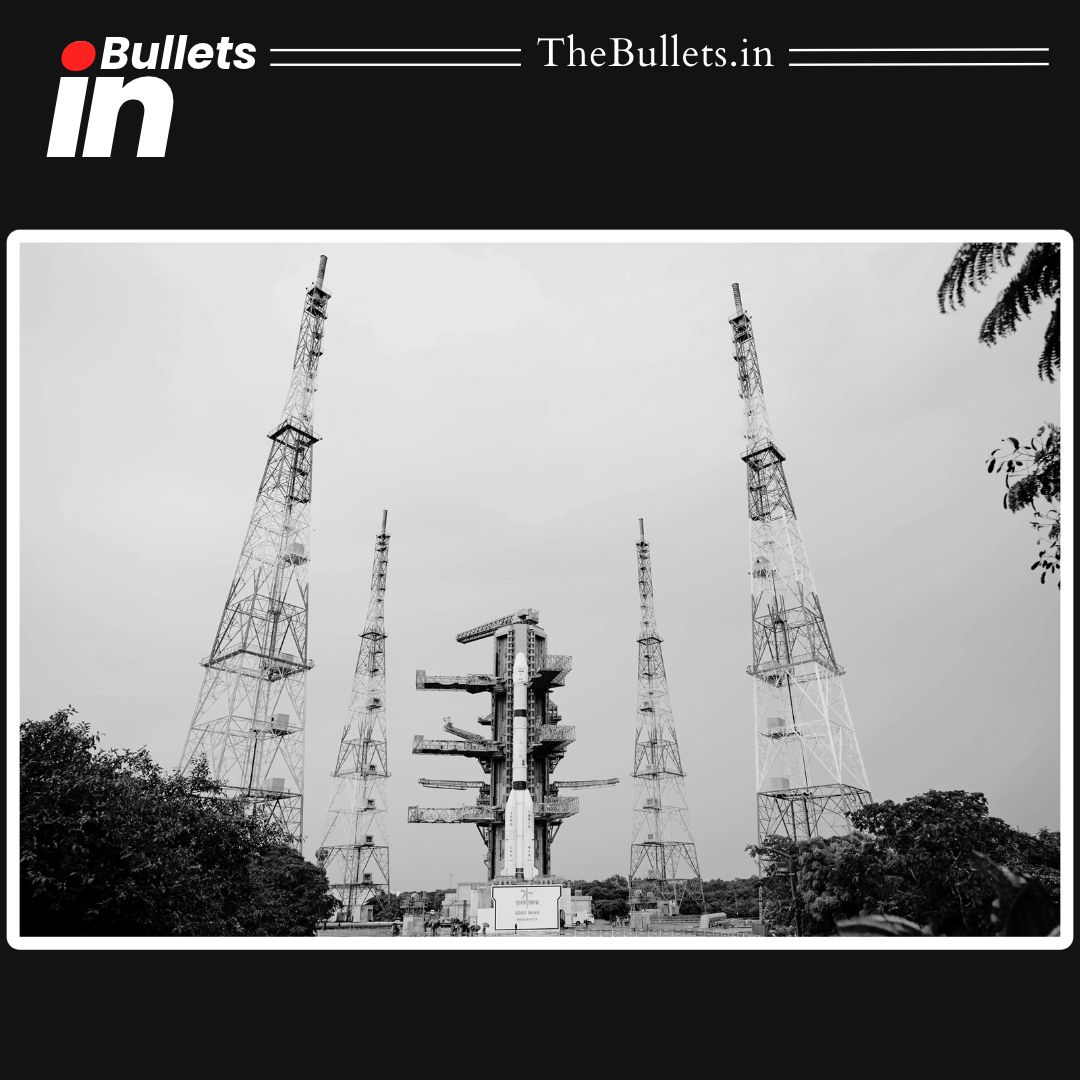


ISRO's GSLV-F18 placed the NVS-03 navigation satellite in orbit on October 30, adding an L1 signal and an indigenous atomic clock to NavIC.
BulletsIn
- GSLV-F18 lifted off from the Second Launch Pad at Satish Dhawan Space Centre, Sriharikota, at 11:51 pm IST on October 30, 2026.
- ISRO declared the mission a success, saying the rocket placed NVS-03 in its intended orbit.
- NVS-03 is the third satellite in ISRO's second-generation NavIC series, meant to keep the regional navigation service running.
- NavIC is India's independent regional navigation system, giving position, velocity and timing services across India and about 1,500 km beyond its borders.
- The satellite carries an indigenous atomic clock along with procured atomic clocks, a step towards Indian-made timing hardware.
- It adds an L1 signal to the existing L5 and S-band signals, which improves compatibility with civilian devices such as smartphones.
- NavIC offers a Standard Positioning Service for civilian users and a Restricted Service for authorised users.
- The flight was the 20th mission of the Geosynchronous Satellite Launch Vehicle.
- The first satellite of the series, NVS-01, flew on GSLV-F12 in May 2023 and was the first Indian navigation satellite to carry an indigenous atomic clock.
- NVS-02, launched in January 2025, ran into a propulsion problem during orbit raising, which raised the stakes for this mission.
- ISRO chairman V Narayanan said on November 1 that the satellite had been raised a further 5,500 km using its own engine, with more manoeuvres to follow.
- Narayanan added that at least four satellites are needed to provide complete NavIC service.
Tags: NVS03, NavIC, GSLVF18



What do you think?
It is nice to know your opinion. Leave a comment.