





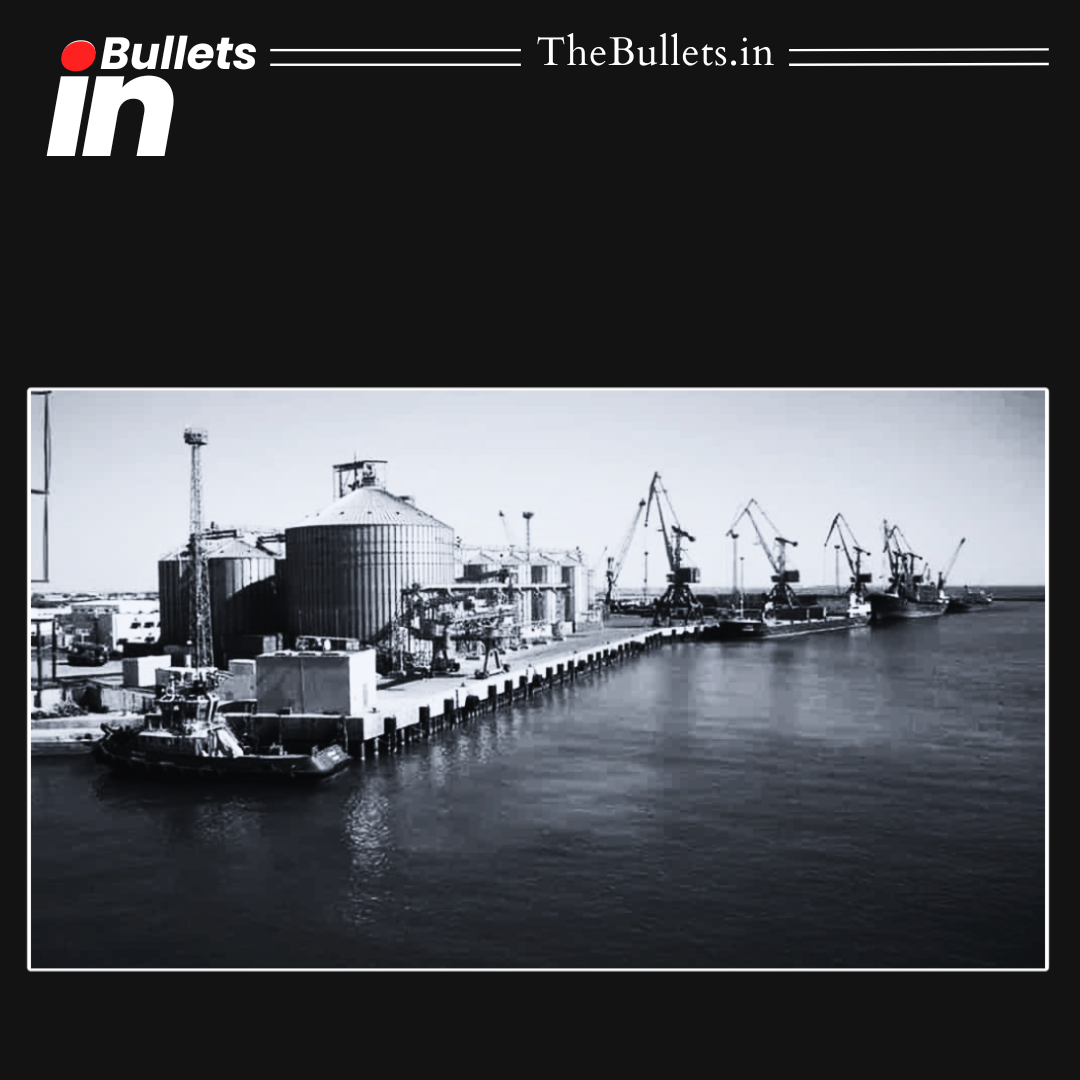


With its southern ports under a US naval blockade, Iran is turning to the Caspian Sea and land borders for exports and imports, but falling water levels limit shipping.
BulletsIn
- Iran's southern ports are under a US naval blockade, and most of its maritime trade has traditionally moved through those ports.
- Tehran is looking to the Caspian Sea on its northern coast as an alternative route to export oil and import essential goods.
- The Caspian is the world's largest landlocked body of water, shared by Iran, Russia, Azerbaijan, Kazakhstan and Turkmenistan.
- An Iranian environment official said Caspian water levels have fallen by more than 20 cm a year over the past two to three years.
- Iran's northern ports could once berth vessels up to 6,000 tonnes but can now handle only 4,000-tonne ships, according to Iran's Shipping Association.
- Iranian ships entering the Caspian via Russia's Volga River have at times been stranded by low water levels.
- A China-Aktau-northern Iran route would move cargo by rail across Kazakhstan to Aktau, then by ship to Iranian Caspian ports.
- Iran is trying to complete missing sections of the Rasht-Astara railway, which would finish the western branch of the International North-South Transport Corridor.
- The corridor passes through Iran, Azerbaijan and Russia, and analysts warn the northward shift risks overreliance on Russia.
- Land borders are also strained, with up to 1,800 trucks reportedly queuing for days at the Norduz crossing with Armenia.



What do you think?
It is nice to know your opinion. Leave a comment.