











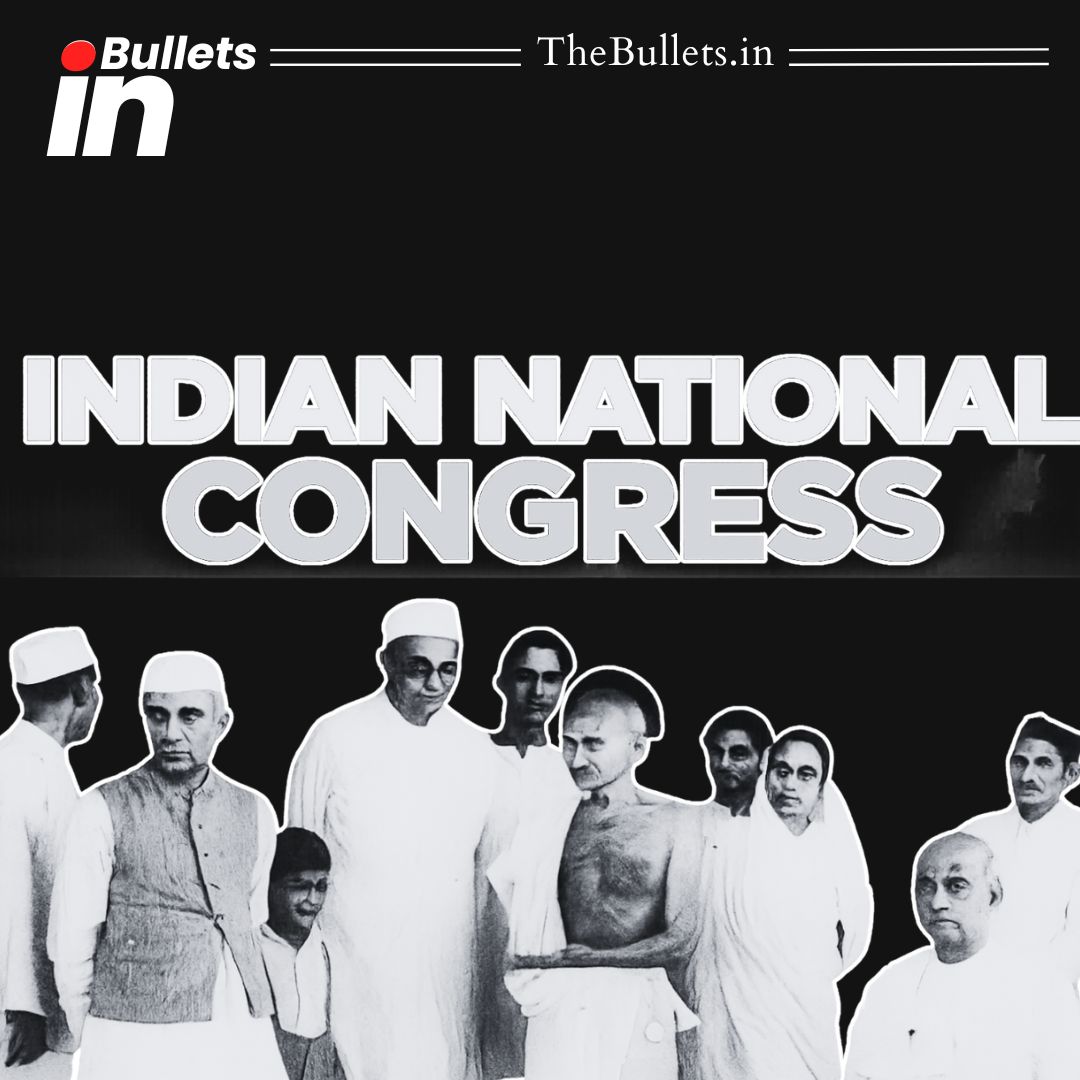


Founded in 1885 in Mumbai by 72 delegates, initiated by Allan Octavian Hume; Womesh Chunder Banerjee was first president.
BulletsIn
- Began as a forum for educated Indians to present moderate political demands under British rule.
- Gradually evolved into the principal leader of India’s freedom struggle.
- Led key movements: Swaraj, Non-Cooperation, Civil Disobedience, and Quit India.
- After independence, became the dominant political party, shaping India’s governance and social structure.
- Promoted ideals of secularism, democracy, social justice, and national unity.
- Different founding theories: Safety-Valve Theory, Conspiracy Theory, Lightning-Conductor Theory.
- Faced major internal challenges — splits between moderates and extremists, regional decline, new political rivals.
- Continues as a relevant national party, though its dominance has declined in recent decades.



What do you think?
It is nice to know your opinion. Leave a comment.