













In 2005, a crucial note scribbled by Anil Kakodkar, India’s Atomic Energy Commission chief, on a piece of tissue paper helped break a deadlock in the India-US nuclear deal negotiations, leading to a historic agreement in 2008.
BulletsIn
- The India-US Civil Nuclear Deal was crucial for India to access nuclear technology and fuel, ending decades of isolation.
- In 2005, India was seeking to separate its civil and military nuclear programs and place civilian facilities under international safeguards to secure the deal.
- Anil Kakodkar, concerned about the potential impact on India’s strategic nuclear program, raised objections to the draft agreement.
- Kakodkar wrote a note on a tissue paper, insisting that India’s three-stage nuclear program should remain unrestricted.
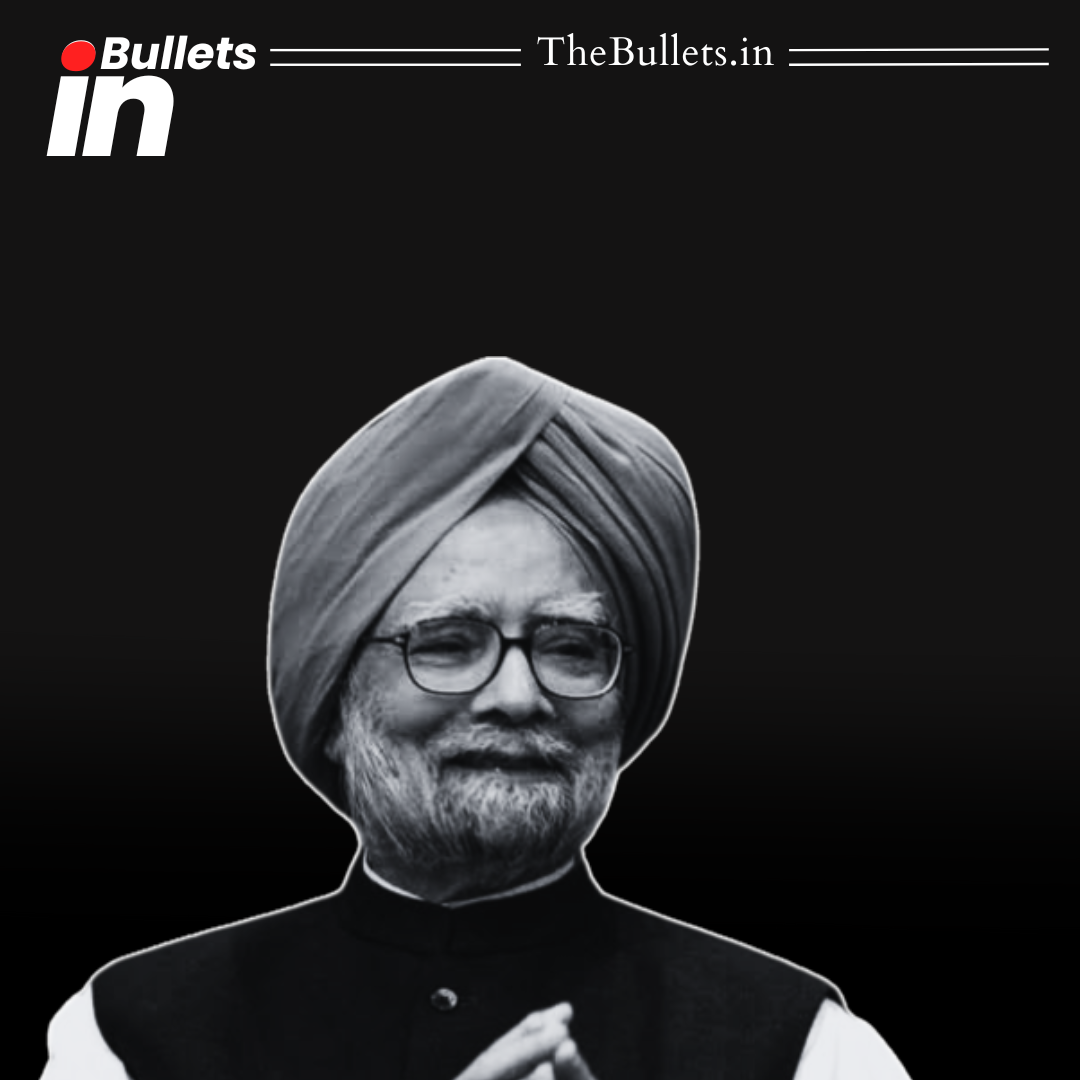
- The note, delivered to PM Manmohan Singh, was a pivotal moment in breaking the deadlock between India and the US.
- US Secretary of State Condoleezza Rice, after reviewing the note, indicated that the issue could be resolved and both sides had a convergence of views.
- The breakthrough allowed PM Singh and President Bush to announce the deal, which recognized India as a responsible nuclear state.
- The agreement led to the finalization of the 123 Agreement in 2007, and the US Congress approved it in 2008.
- The deal strengthened India’s energy security, enabling access to global nuclear markets.
- It also marked a significant milestone in US-India relations, boosting cooperation in high-tech and defense sectors.



What do you think?
It is nice to know your opinion. Leave a comment.