











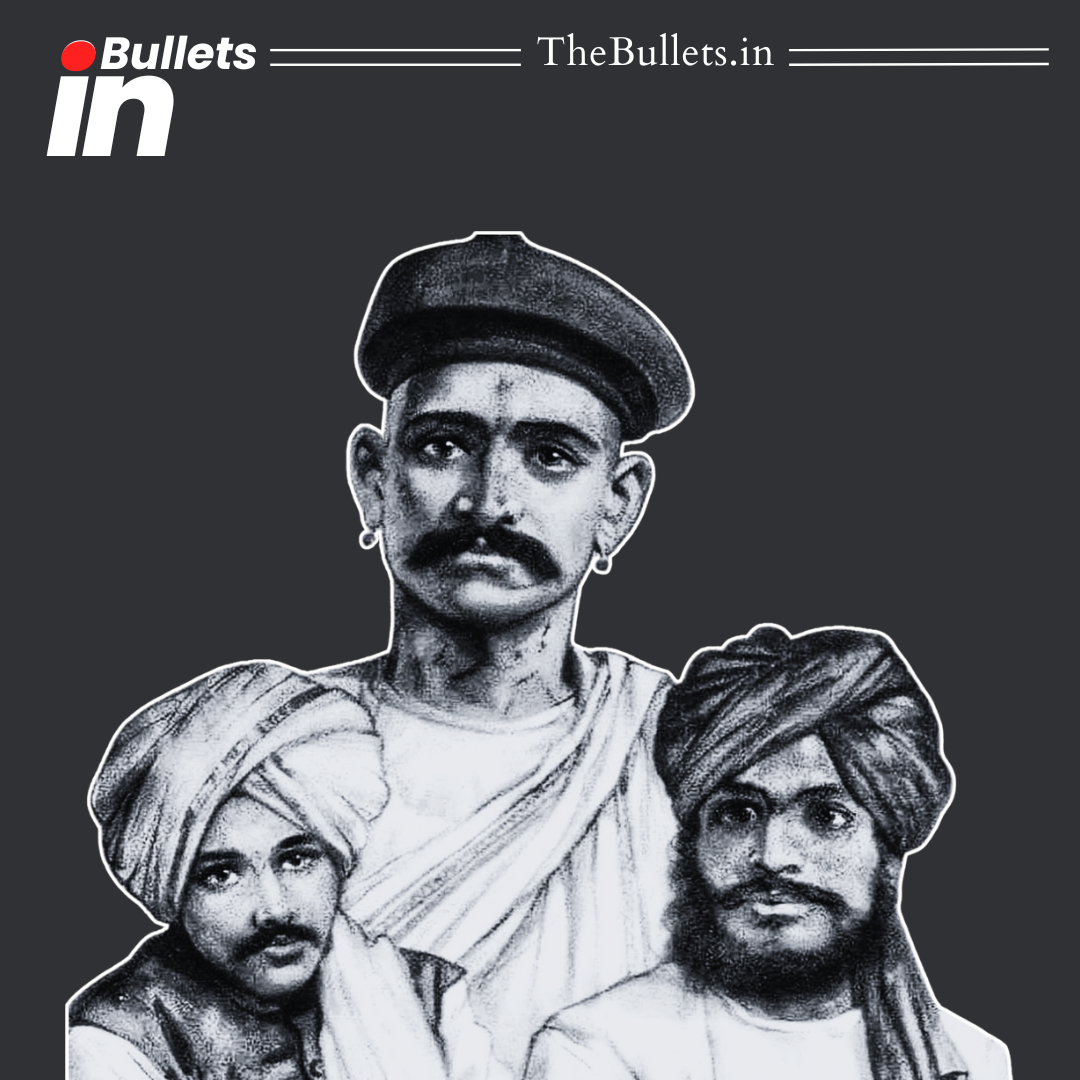


The Chapekar Brothers assassinated British plague officer Walter Charles Rand in 1897, inspiring revolutionary nationalism and intensifying anti-colonial resistance against British rule in India.
BulletsIn
- Damodar Hari Chapekar, Balkrishna Hari Chapekar and Vasudeo Hari Chapekar belonged to a Chitpavan Brahmin family from Chinchwad near Pune in Maharashtra.
- The Chapekar Brothers became prominent revolutionaries during the bubonic plague outbreak in Pune after British authorities imposed harsh and humiliating public health measures.
- British officer Walter Charles Rand headed the Special Plague Committee and enforced aggressive inspections, forced evacuations and intrusive searches across Pune city.
- Local residents strongly opposed the British administration because soldiers entered homes, insulted religious sentiments and publicly searched women during plague operations.
- On 22 June 1897, during Queen Victoria’s Diamond Jubilee celebrations, the Chapekar Brothers planned and executed the assassination of Rand and Lieutenant Ayerst in Pune.
- Damodar Hari Chapekar shot Rand, while Balkrishna Hari Chapekar attacked Lieutenant Ayerst, who was accompanying the British plague commissioner during the celebrations.
- After police investigations intensified, the British administration arrested the brothers and executed Damodar in 1898, followed by Balkrishna and Vasudeo in 1899.
- The actions of the Chapekar Brothers inspired future revolutionaries and marked one of the earliest examples of aggressive nationalist resistance against British colonial rule in India.



What do you think?
It is nice to know your opinion. Leave a comment.