











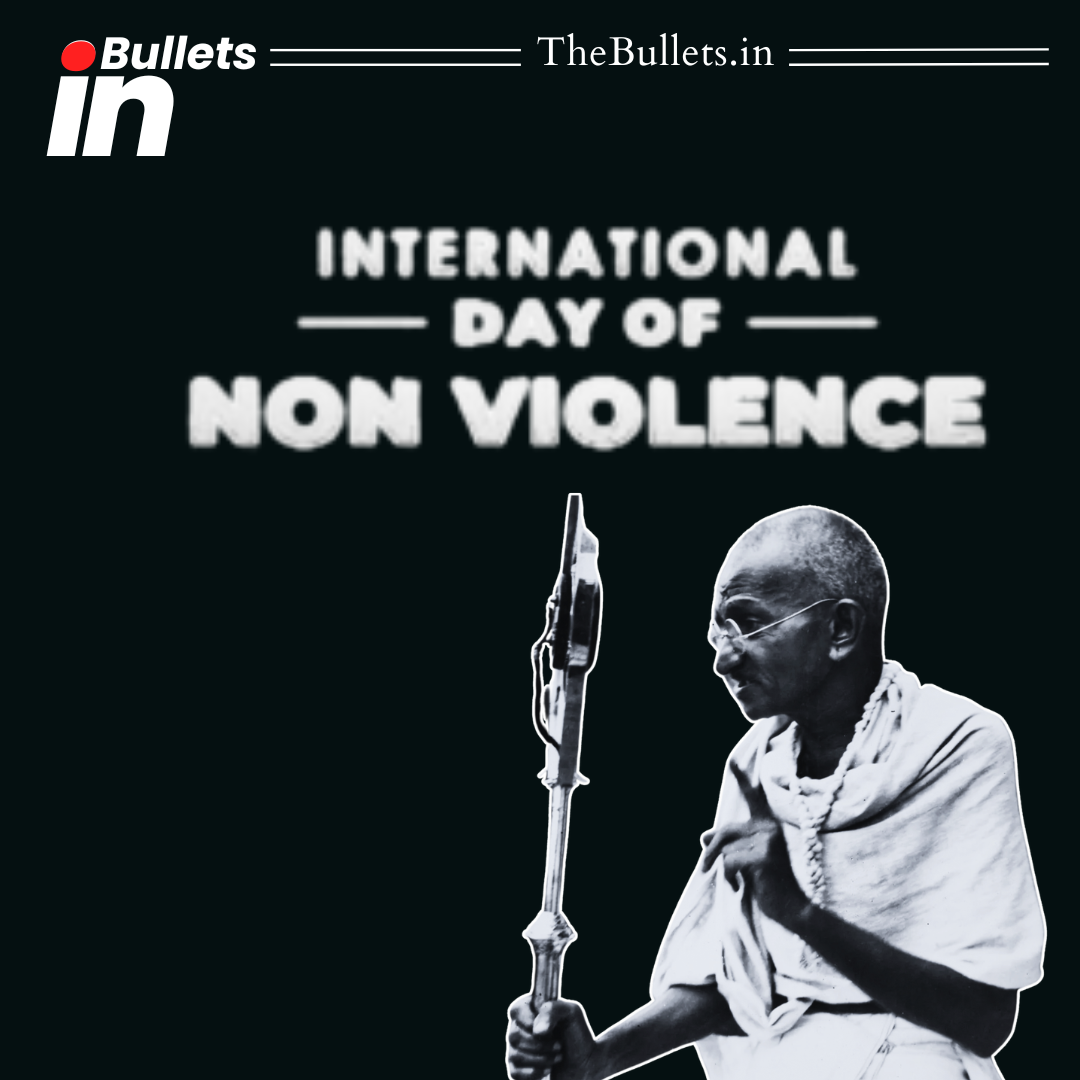


Mahatma Gandhi is widely seen as the central figure who led India’s freedom struggle through non-violent mass movements against British rule. The article argues that while Gandhi’s leadership in major campaigns like Non-Cooperation, Civil Disobedience and Quit India was highly influential, India’s independence story was more complex than the popular legend suggests.
BulletsIn
- Gandhi is popularly remembered as the moral and political leader who led India’s independence struggle through non-violence.
- The dominant narrative says he returned from South Africa in 1915 and transformed Indian nationalism into a mass movement.
- His leadership is especially associated with three major campaigns — Non-Cooperation, Civil Disobedience and Quit India.
- The Non-Cooperation Movement of 1920–22 was linked with the Khilafat Movement, showing Gandhi’s attempt to build a broader anti-colonial alliance.
- The Civil Disobedience Movement of 1930–31, symbolised by the Salt March, became one of the most powerful images of peaceful resistance to British rule.
- Gandhi’s methods of satyagraha and non-violence helped mobilise ordinary Indians and gave the freedom struggle a strong ethical and political identity.
- At the same time, the article suggests that independence cannot be explained only through Gandhi’s movements, as many other political, social and historical factors also shaped the outcome.
- The piece challenges the simplified belief that Gandhi alone wore down British rule and instead presents independence as part of a much broader and more complicated struggle.



What do you think?
It is nice to know your opinion. Leave a comment.