











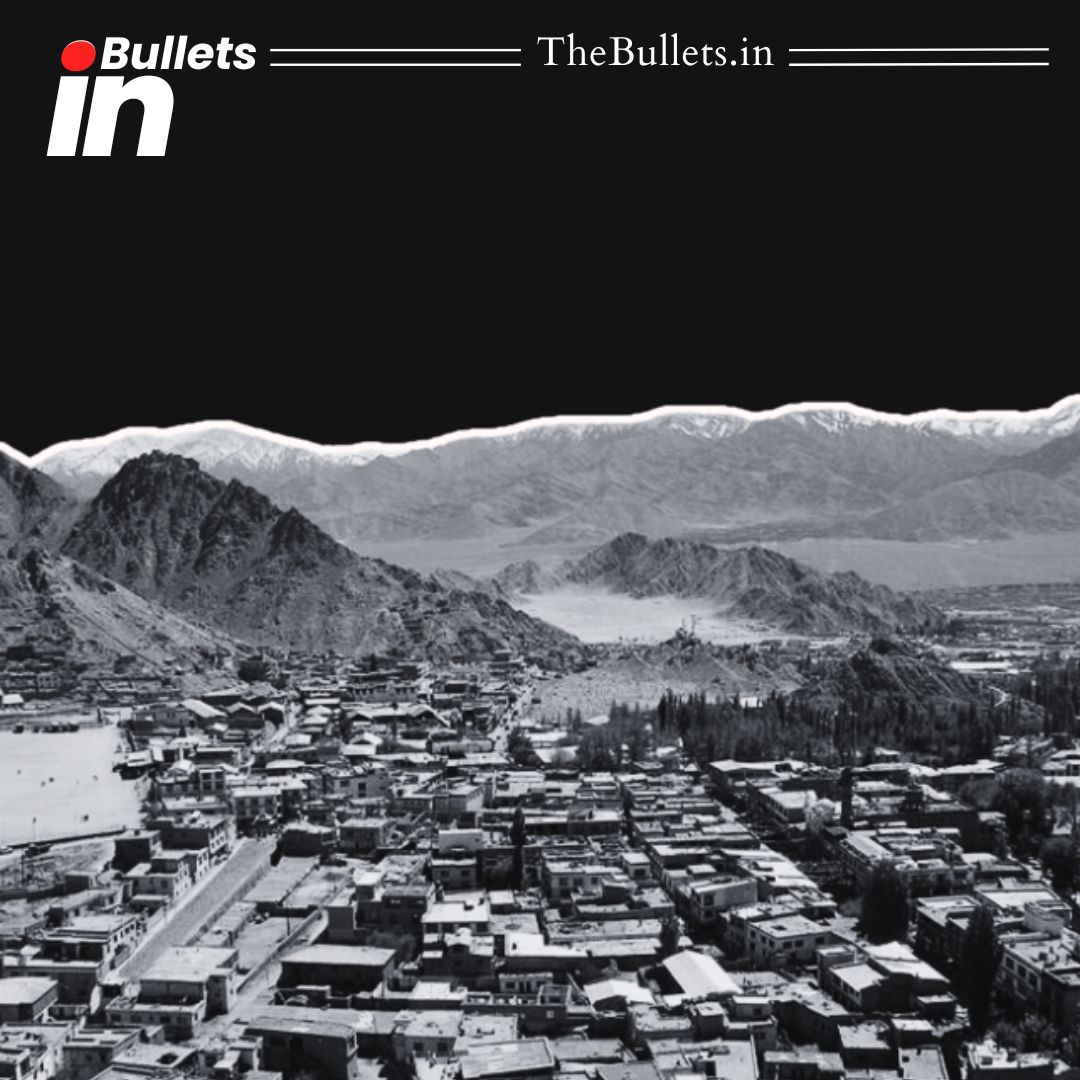


A recent study highlights the severe threat to Ladakh’s groundwater due to urbanization, population growth, and climate change. These factors have disrupted water demand-supply balance, leading to a decline in groundwater levels and availability.
BulletsIn
- Ladakh’s groundwater resources are under strain from rapid urbanization, tourism, and population growth.
- Unregulated well digging increased groundwater extraction by 26% between 2009 and 2020.
- Glaciers in the region have shrunk by 40% in area and 25% in volume since 1650, reducing natural groundwater recharge.
- Leh’s population grew from 29,730 in 1901 to 152,175 in 2020, increasing water demand.
- Annual rainfall in Ladakh is only 86.8 mm, making groundwater a crucial water source.
- Climate change impacts, such as glacier melting and irregular rainfall, are worsening water availability.
- Contamination from modern sewage systems is degrading shallow groundwater quality.
- Innovative solutions like artificial glaciers and snow stupa projects support groundwater recharge.
- Sustainable farming practices, such as cultivating drought-resistant crops and adopting drip irrigation, can reduce water stress.
- Experts emphasize the need for robust groundwater monitoring, research on water-climate links, and community awareness.



What do you think?
It is nice to know your opinion. Leave a comment.