











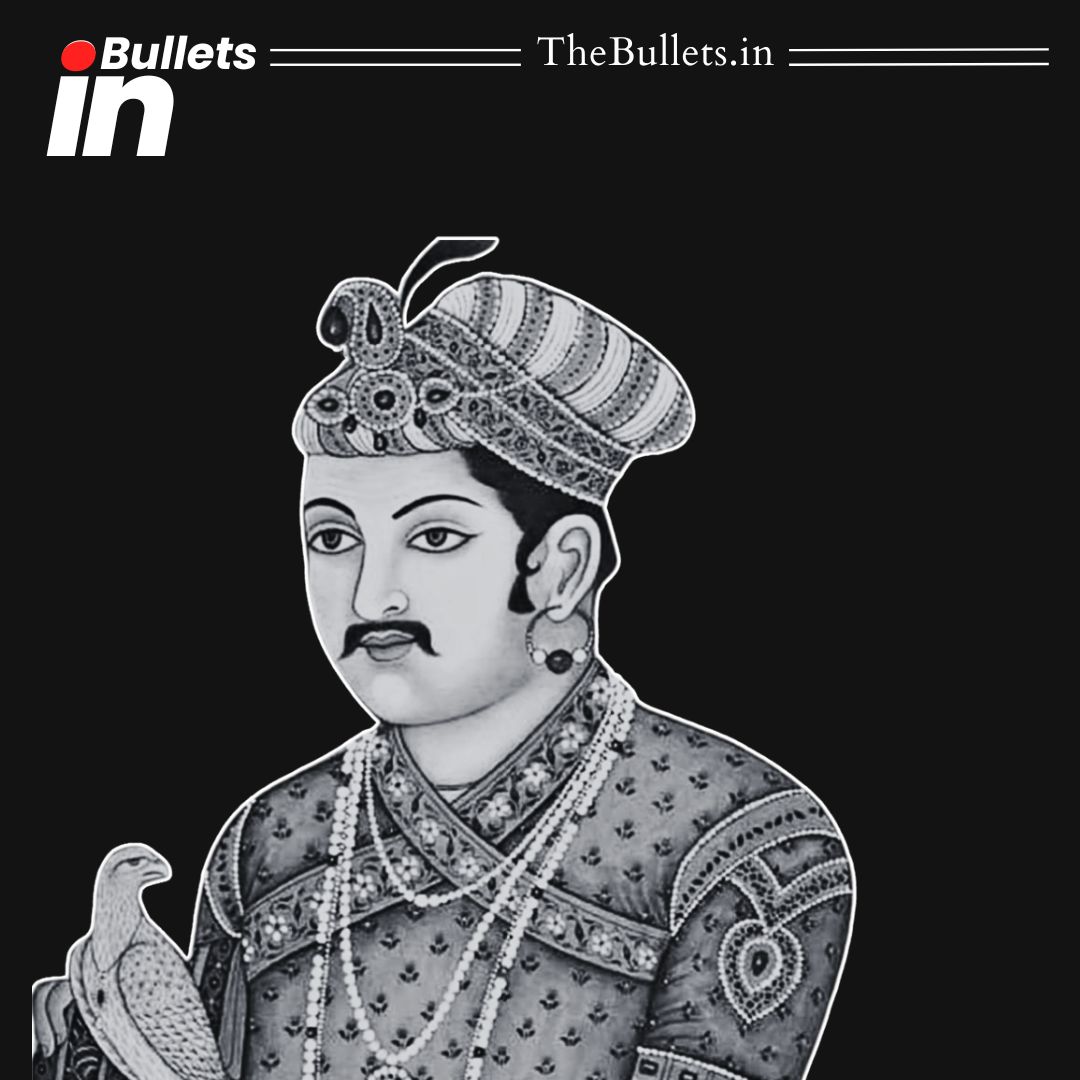


The Mughal Empire ruled most of the Indian subcontinent from 1526 to 1857. Founded by Babur after defeating Ibrahim Lodi, it reached its peak under Akbar and Aurangzeb. After Aurangzeb’s death in 1707, the empire weakened and finally ended after the Revolt of 1857 when the British exiled Bahadur Shah II.
BulletsIn
- Mughal rule began with Babur’s victory at Panipat in 1526
- Empire expanded massively under Akbar and Aurangzeb
- Akbar introduced land revenue & Mansabdari systems; built Fatehpur Sikri
- Shah Jahan built Taj Mahal; era known as Golden Age of Mughal art
- Aurangzeb’s long rule saw religious orthodoxy and harsh administration
- Decline began post-1707 with weak successors & regional revolts
- Nadir Shah’s 1739 invasion looted Delhi, worsened Mughal collapse
- British gained influence after 1764 Battle of Buxar during Shah Alam II’s reign
- Last emperor Bahadur Shah Zafar exiled after 1857 revolt
- Empire left deep impact on Indian politics, art, and architecture



What do you think?
It is nice to know your opinion. Leave a comment.