










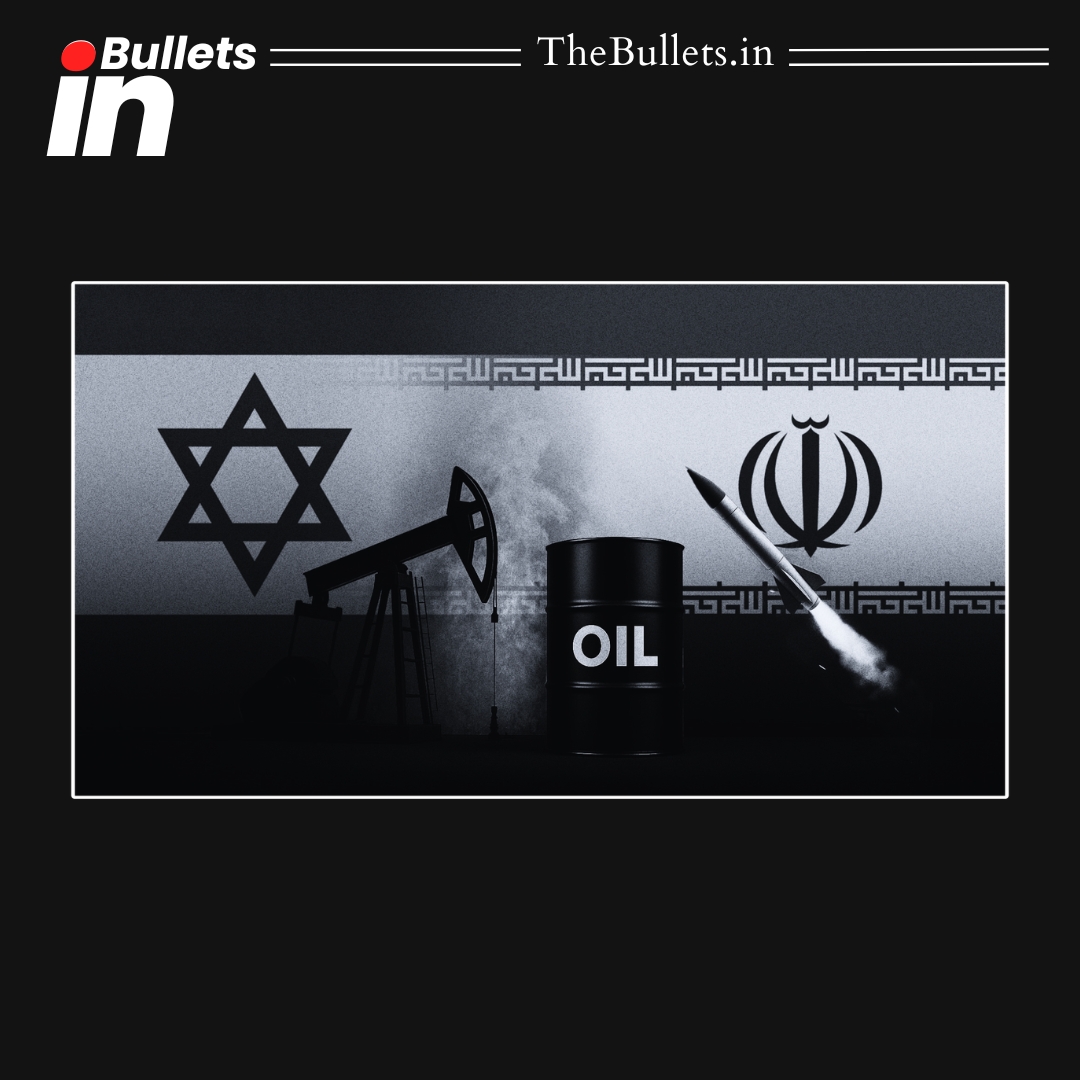


The ongoing Iran conflict is entering a complex phase in April 2026, with the United States indicating a possible de-escalation while Iran maintains a firm stance. The situation reflects shifting geopolitical dynamics, with Russia and China potentially gaining strategic advantages.
BulletsIn
- The Iran conflict shows signs of slowing as the United States signals a possible strategic retreat.
- Initial military escalation failed to achieve key objectives like curbing Iran’s nuclear capabilities.
- U.S. leadership messaging shifted, indicating openness to talks and ceasefire possibilities.
- Iran denied any willingness for talks unless strict conditions like reparations and sovereignty guarantees are met.
- Iran also refused to accept new restrictions on its missile programme.
- The crisis exposed multi-layered regional tensions affecting global stability.
- Russia is seen benefiting economically through increased oil revenues amid the conflict.
- China is gaining strategic advantage, including continued oil imports and influence in the Indo-Pacific.
- The Strait of Hormuz remains a critical flashpoint affecting global energy supply routes.
- The situation highlights broader geopolitical competition beyond immediate military conflict.



What do you think?
It is nice to know your opinion. Leave a comment.