











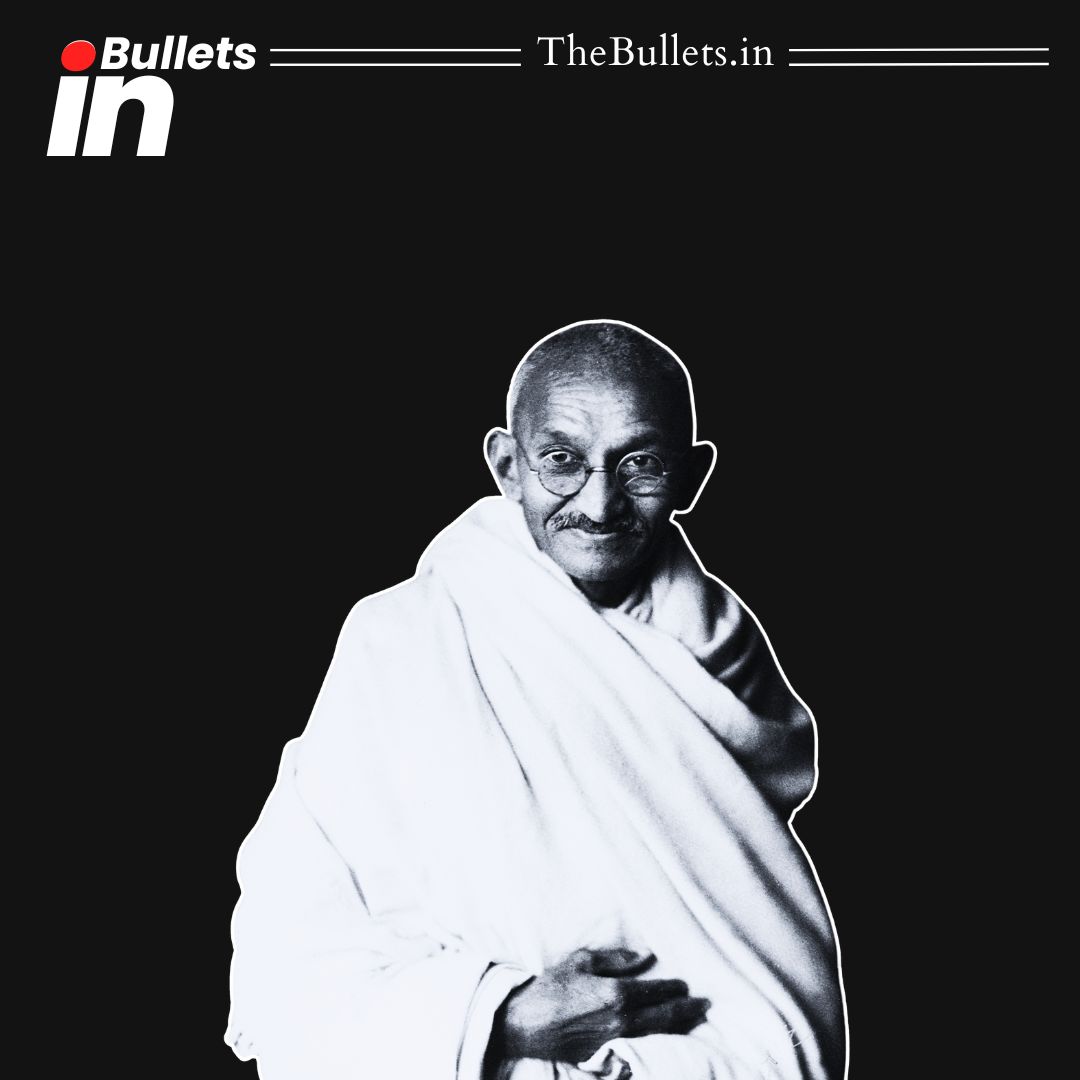


After his assassination on 30 January 1948, Mahatma Gandhi remained a defining moral and political force in India. Though the country evolved through industrialisation, wars, liberalisation, and rising nationalism, Gandhi’s ideas on nonviolence, secularism, and grassroots democracy continued to influence debates, institutions, and public life.
BulletsIn
- Gandhi’s assassination in 1948 turned him into a national martyr and moral symbol.
- Indian Constitution reflected his emphasis on equality, secularism, and social justice.
- Nonviolence remained central to India’s early foreign policy posture.
- Leaders invoked Gandhi during movements against corruption and authoritarianism.
- Civil rights and social justice campaigns often drew on Gandhian methods of protest.
- His model of village self-reliance influenced rural development policies.
- Economic liberalisation reduced emphasis on Gandhian economic ideals.
- Rising political polarisation sparked debates over his secular vision.
- Gandhi’s image remains on Indian currency and in state symbolism.
- Globally, his philosophy inspired leaders like Martin Luther King Jr. and Nelson Mandela.
- In recent years, some critics argue Gandhian ideas seem less central in public policy.
- Yet his legacy continues to shape discussions on tolerance, democracy, and nonviolent dissent.



What do you think?
It is nice to know your opinion. Leave a comment.