













Announced by British Prime Minister Ramsay MacDonald on 16 August 1932, the Communal Award restructured minority representation through separate electorates and reserved seats.
BulletsIn
-
The Communal Award emerged after the Round Table Conferences, representing Britain’s unilateral decision to address competing communal claims within colonial India’s political framework.
-
Based on the recommendations of the Indian Franchise Committee, it introduced separate electorates and reserved seventy-eight seats for the depressed classes.
-
The origins of communal representation debates dated back to the Simla Deputation of 1906 and were formalised under the Morley–Minto Reforms granting Muslims separate electorates.
-
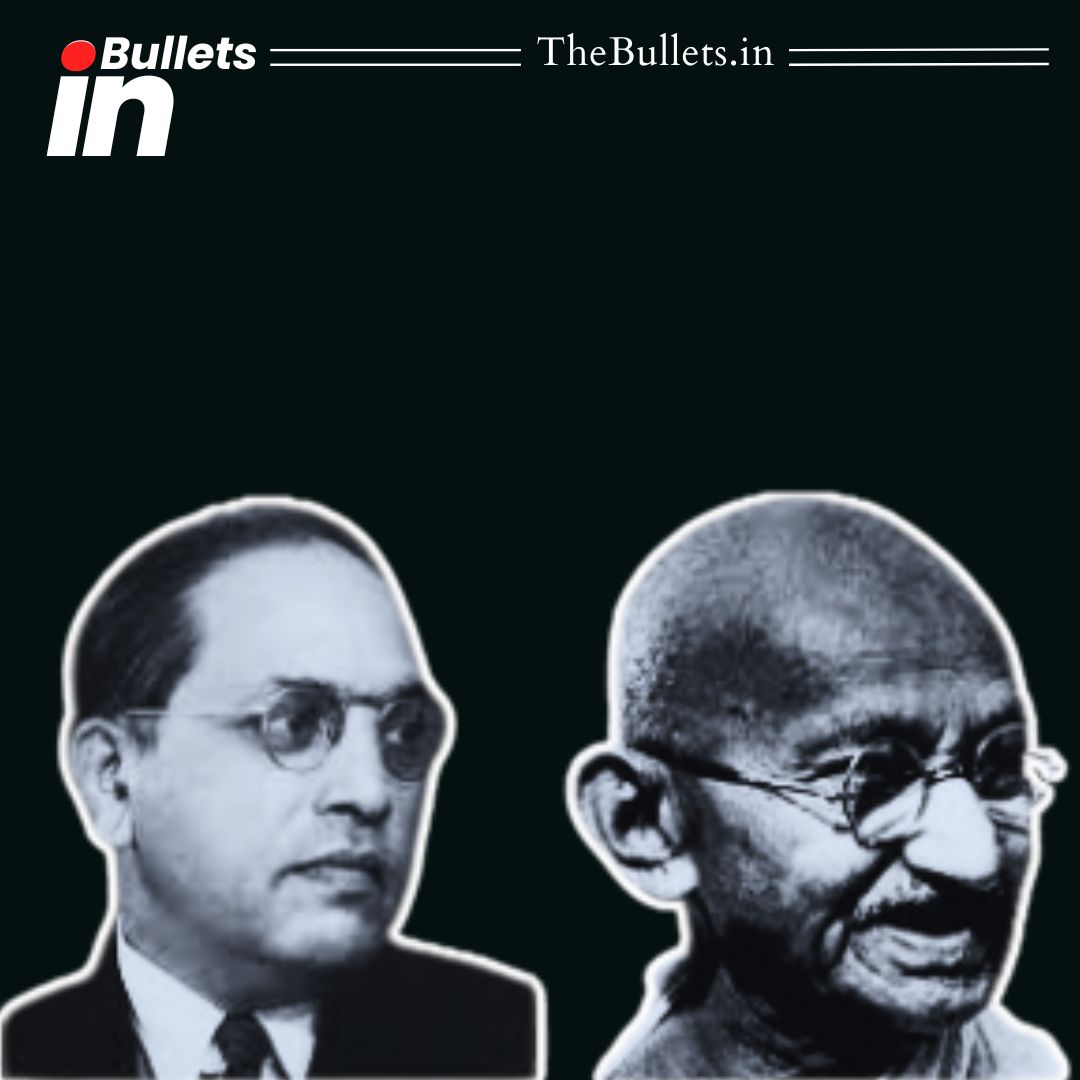
During the Second Round Table Conference, B. R. Ambedkar demanded separate electorates for depressed classes, but Mahatma Gandhi strongly opposed the provision.
-
The Award extended separate electorates to Muslims, Sikhs, Europeans, Indian Christians, Anglo-Indians, women and depressed classes, alongside communal seat distribution in provincial legislatures.
-
It introduced the concept of double voting for depressed classes, enabling participation in separate electorates and general constituencies simultaneously for a specified period.
-
Gandhi criticised the Award as divisive and harmful to national unity, whereas Ambedkar supported it as a constitutional safeguard for socially marginalised communities.
-
Ultimately, the Communal Award deepened electoral communal divisions and intensified ideological disagreements within India’s freedom movement regarding representation and political safeguards.



What do you think?
It is nice to know your opinion. Leave a comment.