











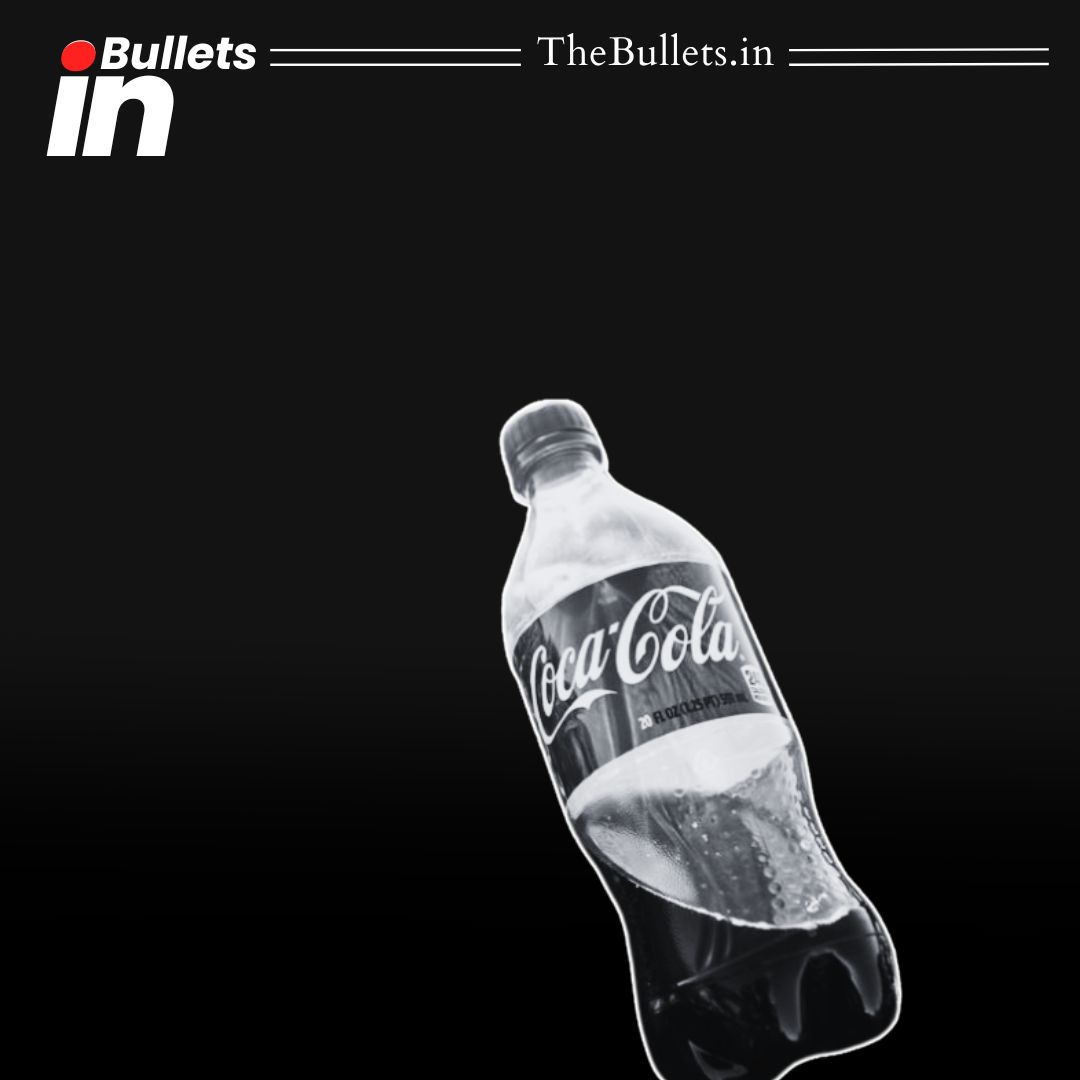


Coca-Cola faces a major environmental challenge, with its plastic usage projected to rise significantly by 2030, according to Oceana’s report. The report reveals the company’s increasing plastic footprint could have devastating effects on global waterways and oceans. The company has moved away from its earlier goals to reduce plastic waste, raising concerns over its continued reliance on single-use plastic packaging. While the company focuses on recycling and using recycled plastic, experts argue that real change requires a shift towards reusable packaging.
BulletsIn
- Coca-Cola’s plastic use is projected to exceed 9.1 billion pounds (4.1 million metric tons) annually by 2030.
- This would represent a 40% increase from its 2018 plastic use and a 20% increase from its 2023 levels.
- Up to 1.3 billion pounds (602,000 metric tons) of this plastic could end up in oceans and waterways by 2030.
- The amount of plastic could fill the stomachs of over 18 million blue whales.
- Oceana suggests that increasing reusable packaging to 26.4% by 2030 could help reduce Coca-Cola’s plastic usage.
- Reusable bottles could prevent the production of up to 49 additional single-use bottles.
- Coca-Cola had originally planned to increase reusable packaging to 25% but discarded this goal in December 2024.
- Instead, the company shifted focus to increasing recycled content and collecting bottles for recycling.
- Coca-Cola invested nearly $1 billion in recycled plastic in 2022, but experts argue recycling alone won’t solve the plastic crisis.
- The company faces increasing scrutiny as it is identified as the top polluter of branded plastic in the environment.



What do you think?
It is nice to know your opinion. Leave a comment.