











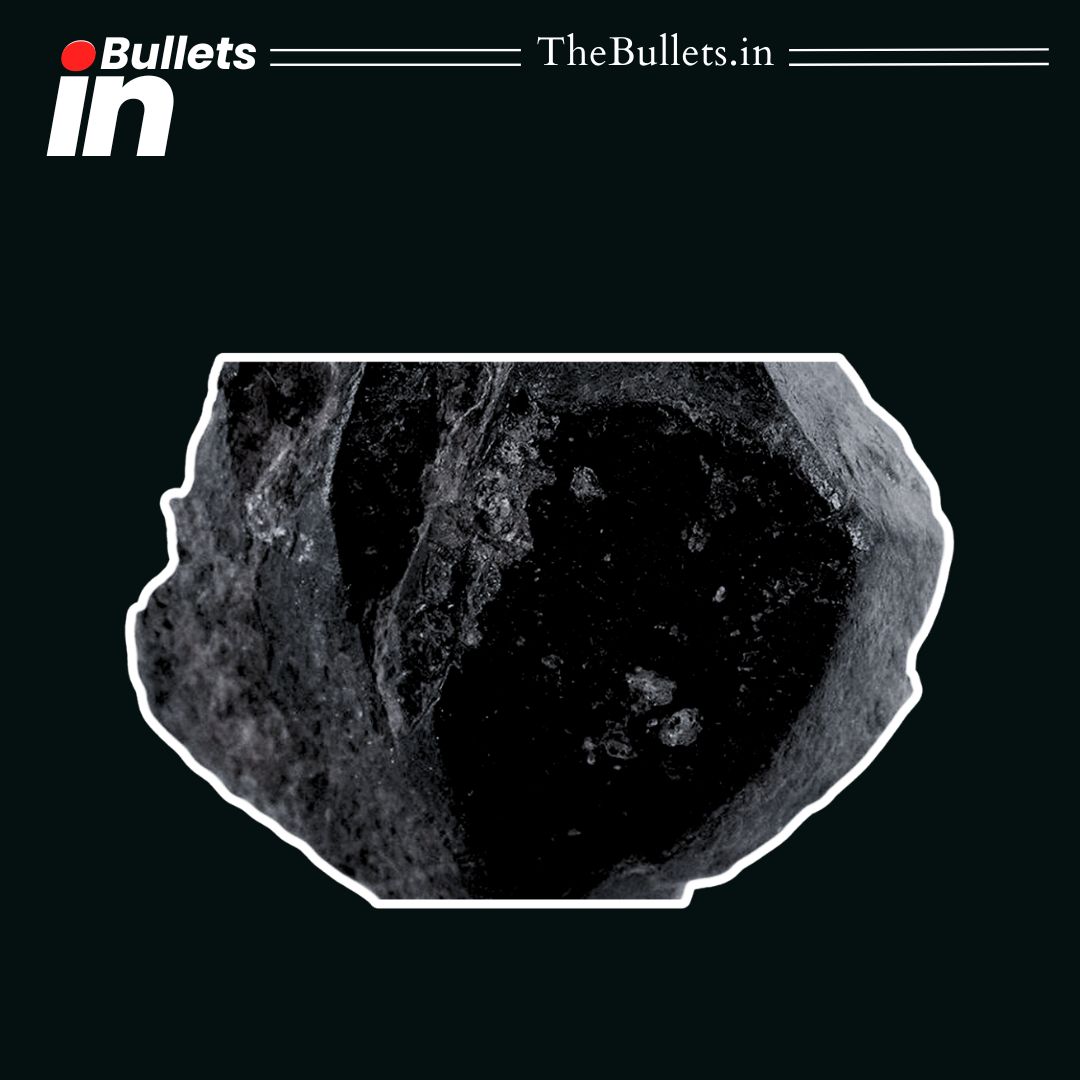


A study by Indian Institute of Technology Kharagpur and Physical Research Laboratory explains titanium-rich lunar rocks, aiding Indian Space Research Organisation in selecting landing sites for Chandrayaan-4 planned in 2028.
BulletsIn:
- Study explains formation of titanium-rich lunar basalts, resolving long-standing planetary science questions and improving understanding of Moon’s volcanic composition and geological evolution
- Research published in Geochimica et Cosmochimica Acta highlights processes behind high titanium dioxide levels in lunar rocks compared to significantly lower concentrations found on Earth
- Lunar basalts contain up to 18% titanium dioxide, while Earth volcanic rocks usually have less than 2%, indicating major compositional differences
- Findings focus on ilmenite-rich basalt formation, a key factor in understanding Moon’s mineral composition and surface shaped by ancient lava flows
- Study supports accurate landing site selection for Chandrayaan-4 mission to ensure collection of scientifically valuable lunar rock samples
- Chandrayaan-4 mission aims to bring lunar samples back to Earth, marking a major step in India’s advanced space exploration programme
- Insights may support future lunar resource utilisation, including identification of mineral-rich zones for long-term scientific and exploration missions



What do you think?
It is nice to know your opinion. Leave a comment.