











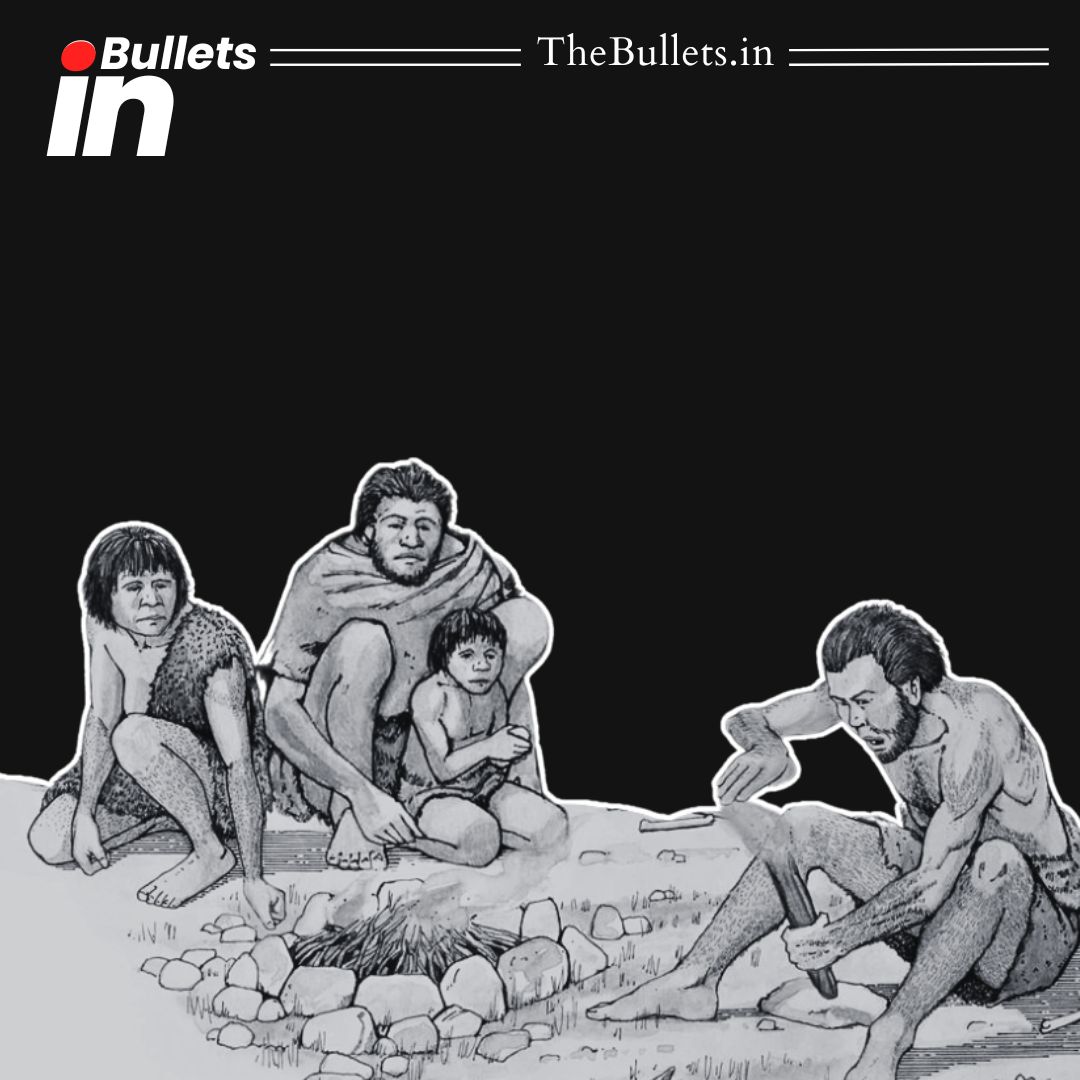


The Chalcolithic Age (c. 2000–700 BCE) marked India’s transition from the Neolithic to the Metal Age. It saw the use of both stone and copper tools, emergence of rural farming communities, distinctive pottery, and cultural diversity across regions like Maharashtra, Madhya Pradesh, and Rajasthan. Despite technological advances, limitations in metallurgy and health persisted.
BulletsIn
- Transitional era between Stone Age and Metal Age (2000–700 BCE)
- First use of copper tools alongside stone implements
- Rural farming communities near rivers, hills; crops: rice, wheat, barley
- Major cultures: Jorwe, Malwa, Ahar-Banas, Kayatha, Savalda
- Distinctive black-red, ochre-colored pottery; decorative floral and animal motifs
- Tools: knives, axes, chisels; ornaments from agate, jasper, carnelian
- Artifacts show spinning, weaving; housing of mud, lime, dung
- Burials: north-south in Maharashtra, east-west in South India
- Signs of child mortality, malnutrition, epidemic outbreaks
- Limitations: lacked iron tools, didn’t milk animals, limited metal alloy knowledge



What do you think?
It is nice to know your opinion. Leave a comment.