










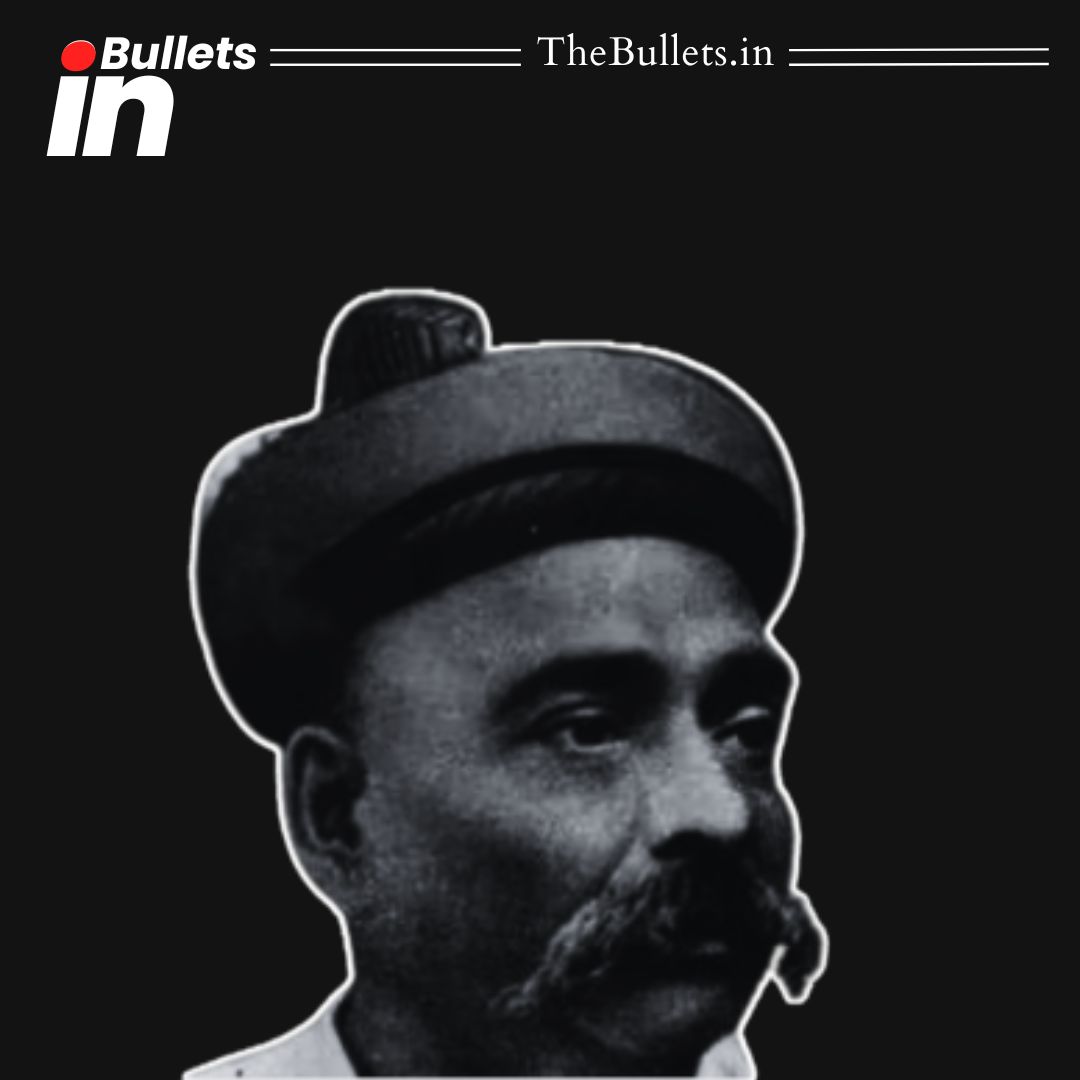


Bal Gangadhar Tilak’s role in early nationalism and Gandhi’s Non-Cooperation Movement (NCM) mark two turning points in India’s struggle—one shaping the ideology of Swaraj, the other initiating India’s first mass nationwide movement. Both themes continue to appear repeatedly in UPSC exams.
BulletsIn
- Tilak called “Maker of Modern India” (Gandhi) & “Father of Indian Revolution” (Nehru)
- Joined INC in 1890; transformed moderate politics by linking Swadeshi + Nationalism
- Founded Kesari & Mahratta; wrote Geeta Rahasya, Orion, Arctic Home of the Vedas
- Started Ganapati festival (1893) & Shivaji festival (1896) → tools for mass political mobilisation
- Opposed Age of Consent Bill (1891) → criticised as conservative on social reform
- Part of Lal-Bal-Pal trio advocating assertive nationalism & Swaraj as the immediate goal
- Tried for sedition three times (1897, 1908 twice); defended by both Jinnah & Justice Davar
- Led Home Rule League (1916); famously declared: “Swaraj is my birthright.”
- After Tilak’s death (August 1, 1920), Gandhi launched Non-Cooperation Movement the same day
- NCM: boycott of councils, courts, schools; India’s first nationwide mass movement
- Movement halted after Chauri Chaura (1922) as violence violated Gandhian principles
- Leaders like Nehru, Bose, C.R. Das criticised suspension, but Gandhi upheld non-violence above victory



What do you think?
It is nice to know your opinion. Leave a comment.