











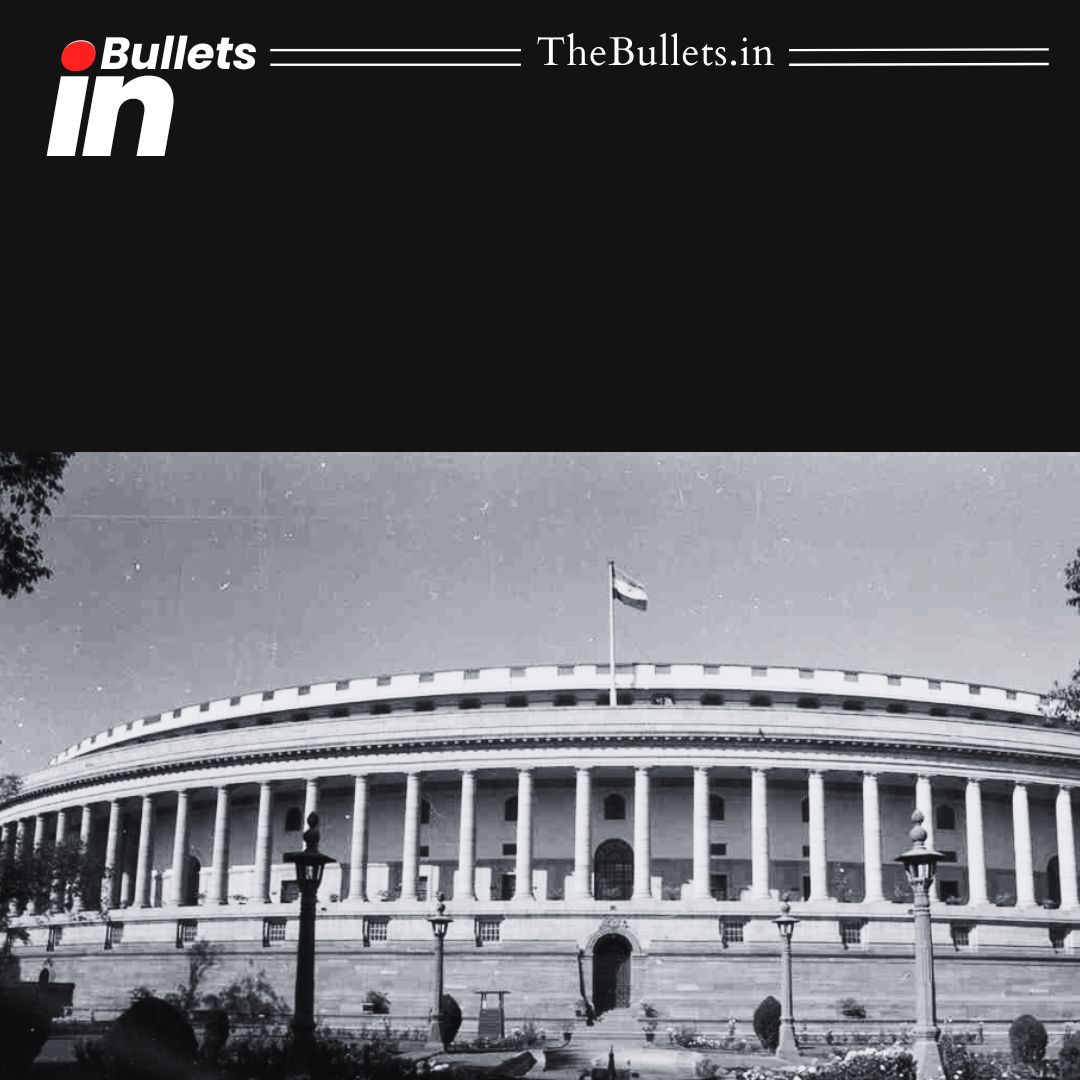


A parliamentary system is one where the executive derives its authority from the legislature and remains accountable to it. India follows this system, inspired by the British model, ensuring collective responsibility and democratic control over the executive.
BulletsIn
- Executive depends on legislative majority; continues till it holds lower house confidence.
- Based on British Westminster model; provided in Articles 74–75 (Centre) and 163–164 (States).
- Dual executive: nominal (President/Monarch) and real (Prime Minister).
- Prime Minister leads government; council collectively responsible to Lok Sabha.
- Ensures coordination between legislature and executive; avoids authoritarian rule.
- Encourages responsible, participatory, and flexible governance.
- Drawbacks include prime ministerial dominance, political instability, and lack of policy continuity.
- Civil servants hold strong influence; ministers may lack expertise.
- Anti-defection laws restrict MPs’ independent decision-making.
- British system has monarch, sovereign parliament, and shadow cabinet; India has elected head, limited parliament powers, and no legal ministerial accountability.
- India adopted this model due to colonial familiarity, accountability, and to avoid concentration of power under one person.



What do you think?
It is nice to know your opinion. Leave a comment.