











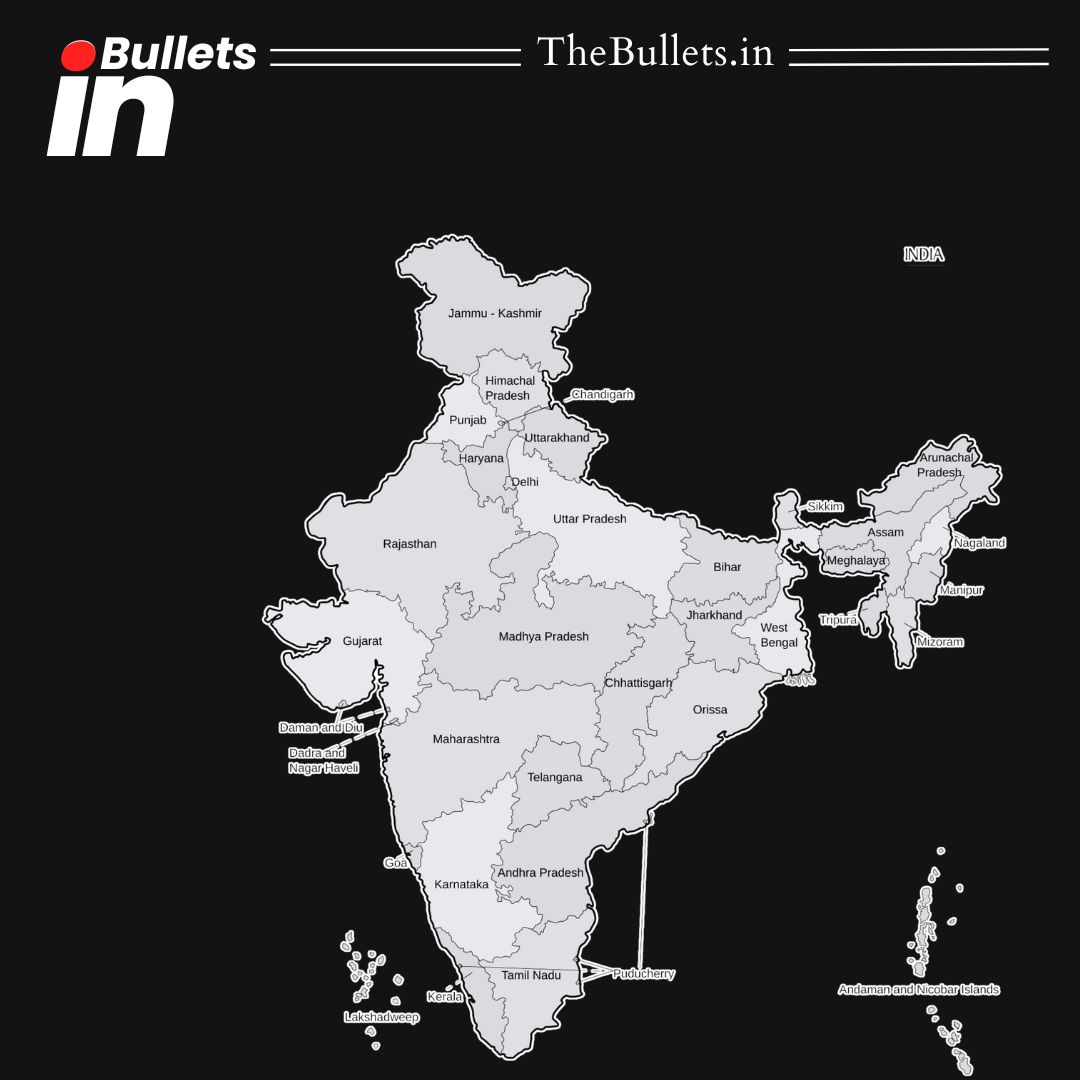


The Hyderabad Kingdom, founded in 1724 by Nizam-ul-Mulk Qamaruddin, evolved into a powerful state in the Deccan region. Originally a Mughal province, it grew independent during the empire’s decline. It remained a princely state under British rule and refused to join the Indian Union in 1947. In 1948, India integrated Hyderabad through Operation Polo.
BulletsIn
- Hyderabad became independent in 1724 under Nizam Qamaruddin, founder of Asaf Jahi dynasty
- Originally part of Mughal Empire; Mughals lost control after Aurangzeb’s Deccan campaigns
- Aurangzeb captured Golconda in 1687 with aid from commanders like Khwaja Abid Siddiqi
- Qamaruddin titled “Asaf Jah” by Mughal emperor; ruled Deccan with autonomy
- Hyderabad joined British subsidiary alliance in 1798; kept internal autonomy under Nizams
- After 1947, Nizam wanted independence or Pakistan ties despite 85% Hindu population
- India opposed secession; signed standstill agreement with Hyderabad in Nov 1947
- Operation Polo launched in Sep 1948; Hyderabad merged into Indian Union
- Hyderabad saw major cultural, economic growth under Nizams—patrons of art, literature
- Asaf Jah VII listed among world’s richest; ruled till integration in 1948



What do you think?
It is nice to know your opinion. Leave a comment.