











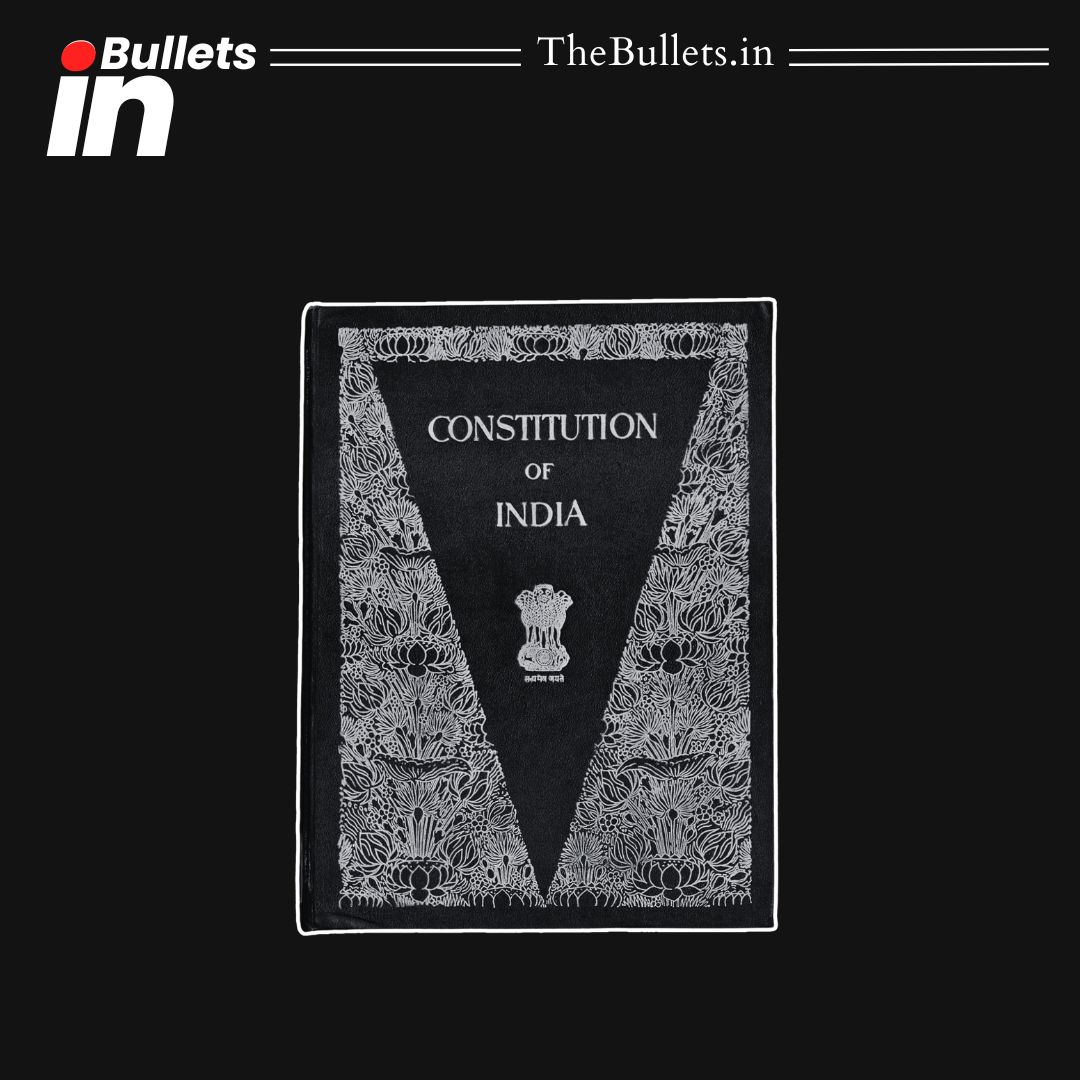


The Indian Constitution’s Part VI (Articles 152-237) covers states’ governance. Articles 152-162 focus on the Governor’s role, powers, and appointment. Governors act as the executive heads in states. The President appoints them, and they hold office for five years or at the President’s pleasure. The Governor exercises executive power, can grant pardons, and must uphold the Constitution.
BulletsIn
- Article 152 defines “State,” excluding Jammu and Kashmir.
- Each state has a Governor; one person may govern multiple states simultaneously.
- The Governor holds the state’s executive power, exercised directly or via subordinates.
- The President appoints Governors by warrant under hand and seal.
- The Governor’s term is five years but continues until a successor takes charge.
- Eligibility: Indian citizen, minimum 35 years old.
- Governors cannot be members of Parliament or state legislatures while in office.
- They must take an oath to protect the Constitution before assuming office.
- The Governor can grant pardons or commute sentences, except for death sentences.
- The Supreme Court ruled Governors cannot be removed arbitrarily; removal requires compelling reasons.



What do you think?
It is nice to know your opinion. Leave a comment.