











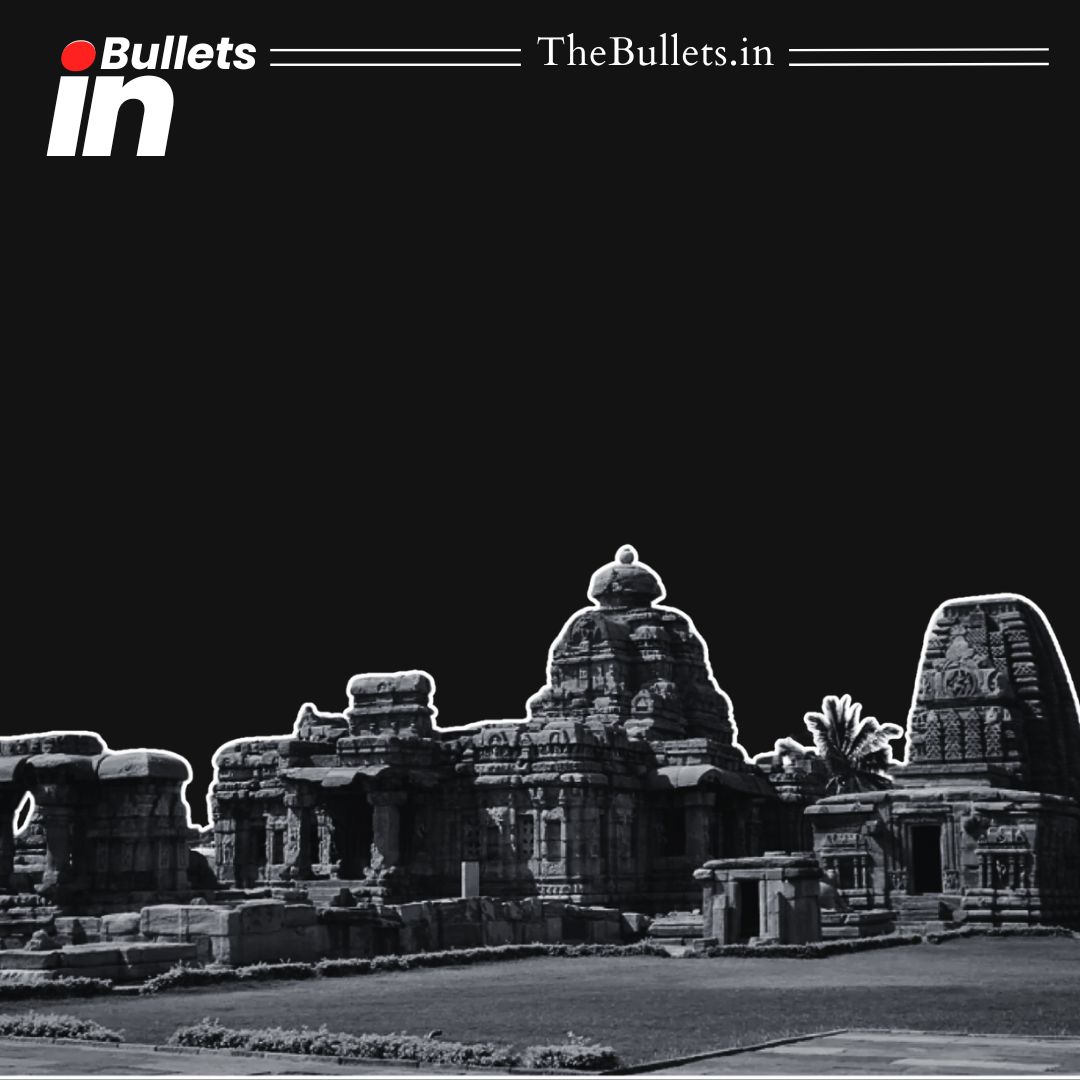


The Chalukya Dynasty emerged in South India around 543 AD, founding a powerful empire centered in present-day Karnataka. They ruled large parts of the Deccan region until the 12th century. The dynasty is known for unifying southern India, developing distinct administrative systems, and pioneering significant art and architecture. Their reign shaped political, cultural, and religious landscapes in the region.
BulletsIn
- Founded by Pulakeshin I in 543 AD, the dynasty ruled from Badami (Vatapi) in Karnataka.
- The Chalukyas split into three branches: Badami (Western), Eastern, and Western Chalukyas.
- Pulakeshin II was the most powerful ruler, expanding the empire and defeating King Harsha.
- Vikramaditya II marked the empire’s peak, defeating the Pallavas and subjugating Tamil kingdoms.
- The dynasty administered through a hierarchical system with kings, ministers, and local village councils.
- Military was organized under the king with a notable elephant corps; military and civil courts existed.
- Chalukya art and architecture introduced the Vesara style; famous for rock-cut temples and stepped wells.
- Hinduism flourished with support for Shaivism, Vaishnavism, and early Lingayatism during their reign.
- The dynasty declined in the 8th century due to rising Rashtrakutas and internal conflicts.
- Western Chalukyas later battled Cholas and other dynasties until defeated by the Hoysalas in the 12th century.



What do you think?
It is nice to know your opinion. Leave a comment.