











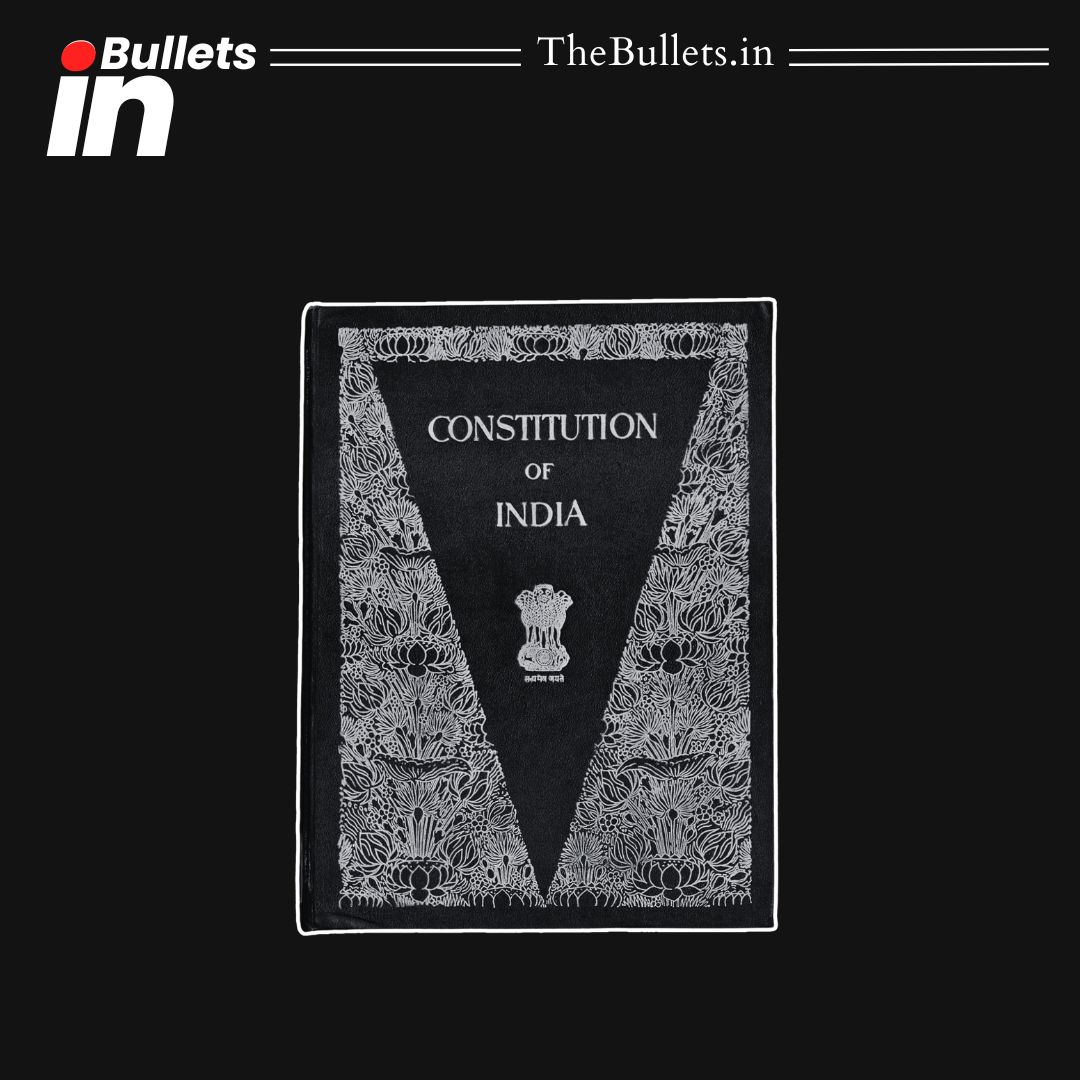


The Indian Constitution defines the structure, powers, and functioning of the Supreme Court in Articles 124 to 147. These articles, part of Chapter IV in Part V, establish the apex court’s authority, jurisdiction, and appointment process. The Supreme Court’s rulings are binding on all Indian courts, ensuring uniform interpretation of laws across the country.
BulletsIn
- Articles 124–147 cover composition, powers, functions of Supreme Court
- Article 124: Supreme Court consists of CJI + up to 7 other judges (expandable by Parliament)
- Judges appointed by President, in consultation with senior judges
- Judges hold office till age 65; can resign or be removed by Parliament for misbehavior/incapacity
- Article 125: Parliament decides judges’ salaries, allowances, pensions
- Article 126: Acting CJI appointed when CJI post is vacant/unavailable
- Articles 127–128: Ad hoc and retired judges can be called to assist Supreme Court
- Article 129: Supreme Court is court of record, can punish for contempt
- Article 131: Original jurisdiction in Centre-State and inter-State disputes
- Articles 132–134: Appellate jurisdiction in civil, criminal, and constitutional matters
- Articles 136–139: Supreme Court can grant special leave, review its orders, and issue writs
- Article 141: Law declared by SC binding on all Indian courts
- Article 142: SC can ensure complete justice with enforceable orders



What do you think?
It is nice to know your opinion. Leave a comment.