











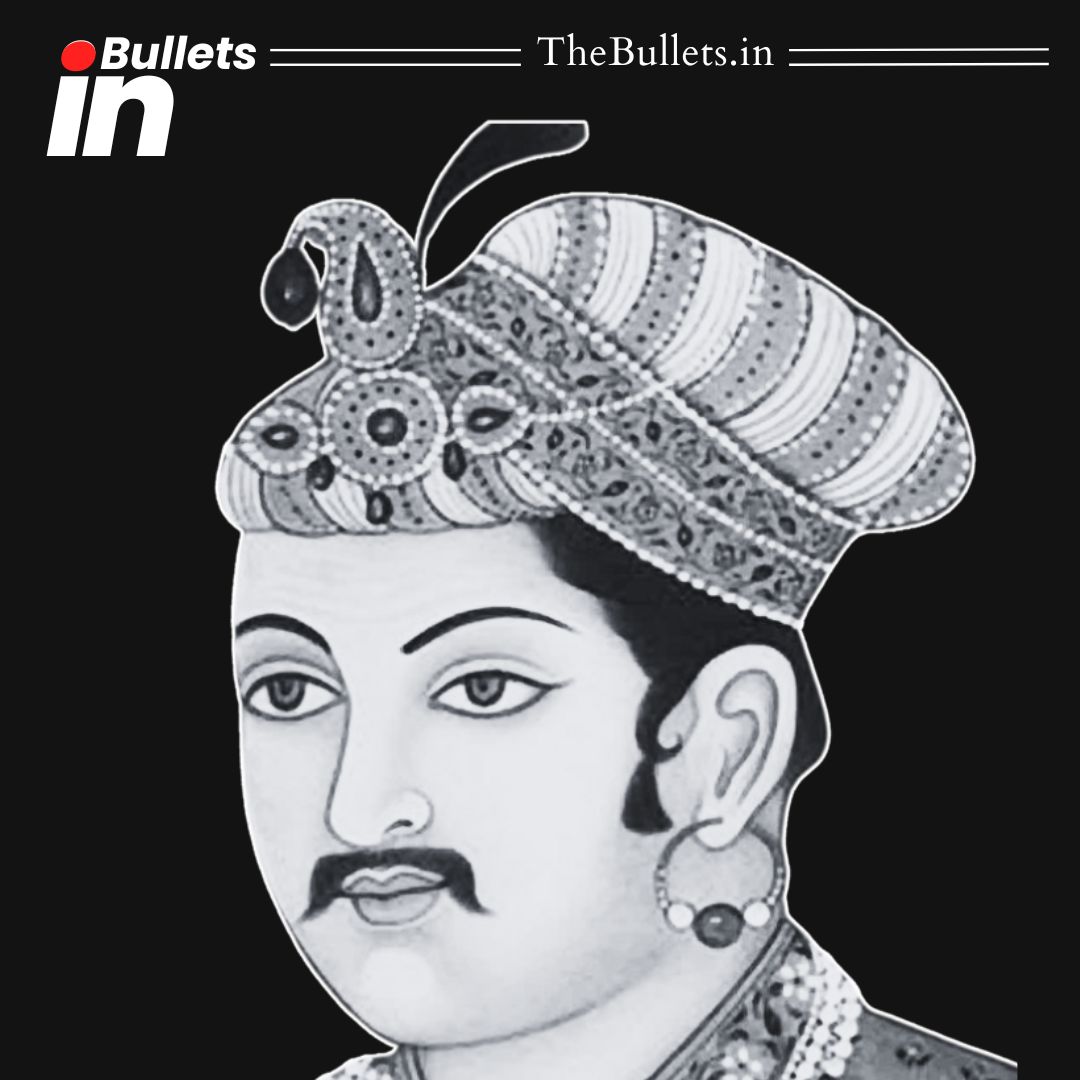


Introduced in the 16th century by Mughal Emperor Akbar, the Mansabdari System was a structured bureaucratic and military administration. Officials, known as mansabdars, were ranked based on military strength and civil capabilities. This system enabled efficient governance, accountability, and revenue collection across the vast Mughal Empire.
BulletsIn
- Mansabdari System was introduced by Akbar in 16th century Mughal India
- Mansab = Rank; Mansabdar = officer holding rank
- Officers served both civil & military roles; transferable between departments
- Rank indicated by two numbers: Zat (status, salary), Sawar (troops to maintain)
- Higher Zat = higher administrative rank; Sawar = cavalrymen maintenance
- Mansabdars recruited via nobles through a ‘Tajwiz’ to the emperor
- Paid in cash (Naqdi) or land revenue rights (Jagirdars)
- Jagirs not hereditary; wealth reverted to state after death
- Du-aspah/Sih-aspah system by Jahangir allowed higher cavalry without higher Zat
- Collapse began under Aurangzeb due to jagir shortage, salary mismatch



What do you think?
It is nice to know your opinion. Leave a comment.