











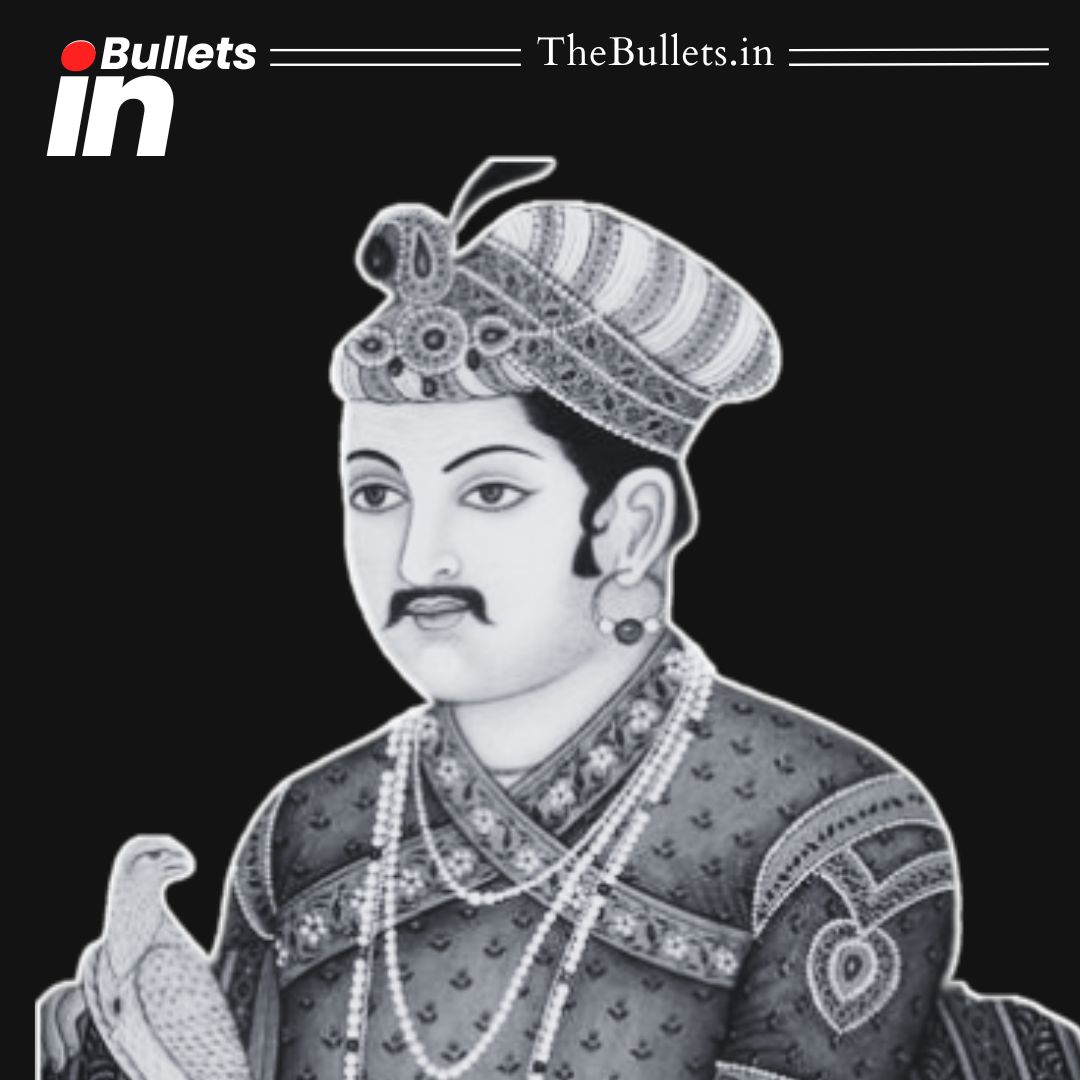


The Mughal Empire was a powerful and long-standing empire in the Indian subcontinent, founded in 1526 by Babur after defeating Ibrahim Lodi in the First Battle of Panipat. It reached its peak under Akbar’s rule and began to decline after Aurangzeb. The empire made remarkable contributions in the fields of art, architecture, and administration. It finally came to an end after the Revolt of 1857 with the exile of Bahadur Shah Zafar.
BulletsIn
- Babur established the Mughal Empire in 1526 after defeating Ibrahim Lodi in the First Battle of Panipat.
- Humayun was defeated by Sher Shah Suri but regained the throne in 1555 with the help of Bairam Khan.
- Akbar defeated Hemu in the Second Battle of Panipat in 1556 and began the “Great Mughal Era.”
- Akbar’s court included the famous Navratnas (Nine Gems) such as Birbal, Tansen, and Abul Fazl.
During Jahangir’s reign, British ambassador Sir Thomas Roe visited the Mughal court. - Shah Jahan built magnificent monuments like the Taj Mahal, Red Fort, and Jama Masjid.
- Aurangzeb expanded the empire to southern India, but religious orthodoxy weakened the empire.
- After Bahadur Shah I, the Mughal emperors became nominal rulers, and the empire weakened further.
- During Muhammad Shah’s rule, Nadir Shah invaded Delhi and looted the Kohinoor diamond and Peacock Throne.
- After the 1857 revolt, the last Mughal emperor Bahadur Shah Zafar was exiled by the British, marking the end of the Mughal rule.



What do you think?
It is nice to know your opinion. Leave a comment.