











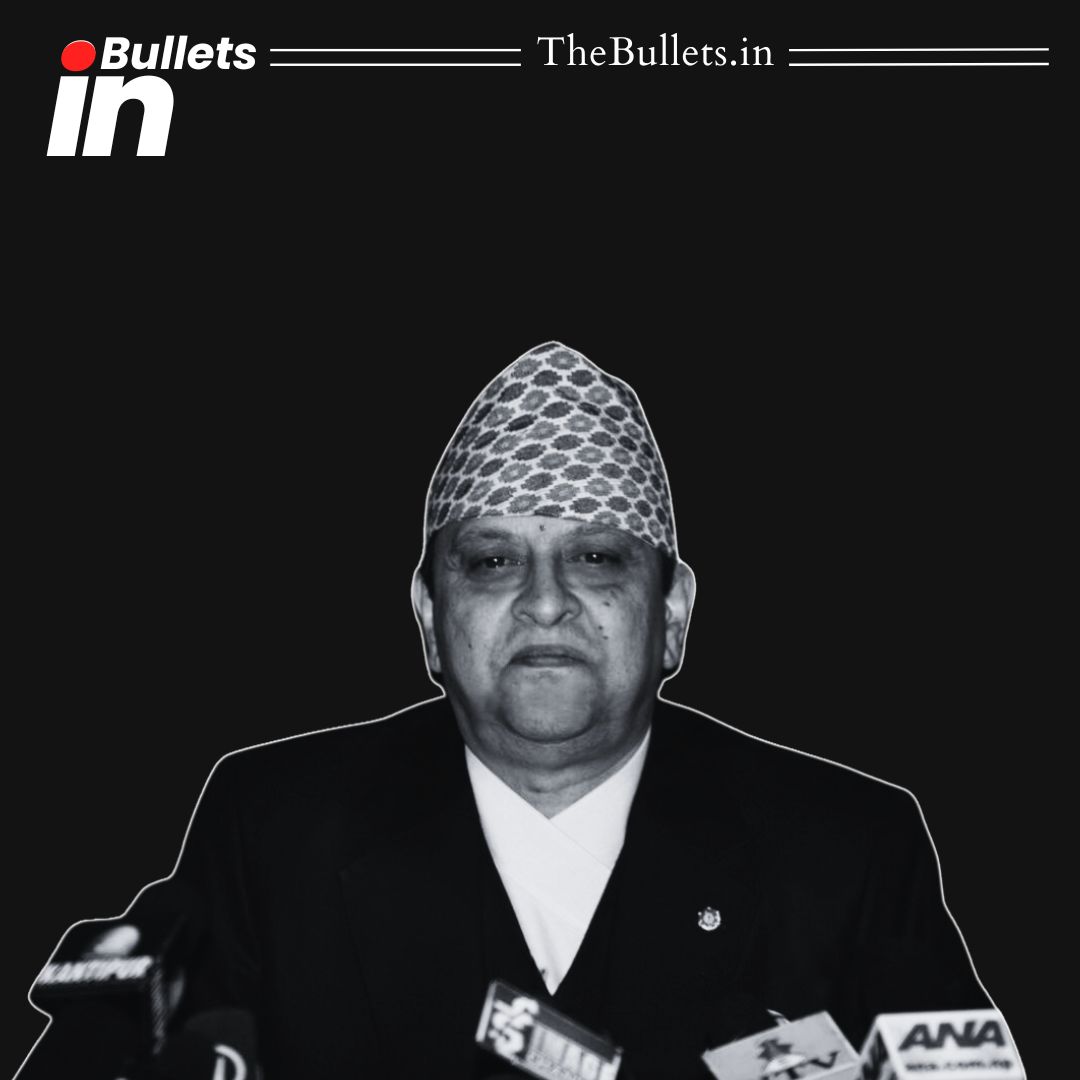


After nearly two decades of Nepal becoming a secular republic, protests supporting the monarchy are on the rise. The shift is driven by economic despair and a growing disenchantment with current political leaders. Last month, thousands rallied in favor of reinstating the monarchy, which turned violent, leading to fatalities and arrests. These protests reflect a broader dissatisfaction with political instability, corruption, and weak economic development.
BulletsIn
- Pro-monarchy protests have surged across Nepal, fueled by public dissatisfaction with the current government’s performance.
- Last month, a violent rally led to two deaths and over 100 arrests.
- The Royalist National Democracy Party (RPP) now holds 14 seats in parliament, up from just one in 2017.
- Some royalists see the monarchy as a protector of national interests and a barrier to foreign interference.
- Political instability, high prices, unemployment, and poor public services have fueled calls for the monarchy’s return.
- Nepal abolished its 240-year-old Hindu monarchy in 2008, following a decade-long civil war.
- Former King Gyanendra’s brief reign ended amid widespread protests against his actions, including suspending the constitution.
- Despite protests, mainstream politicians, including the Communist Party, reject the idea of a return to monarchy.
- Former King Gyanendra has stayed largely silent on politics but has been making public appearances in recent months, often at religious sites.
- Political analysts suggest royalists are capitalizing on the growing frustration among ordinary Nepalis.



What do you think?
It is nice to know your opinion. Leave a comment.