











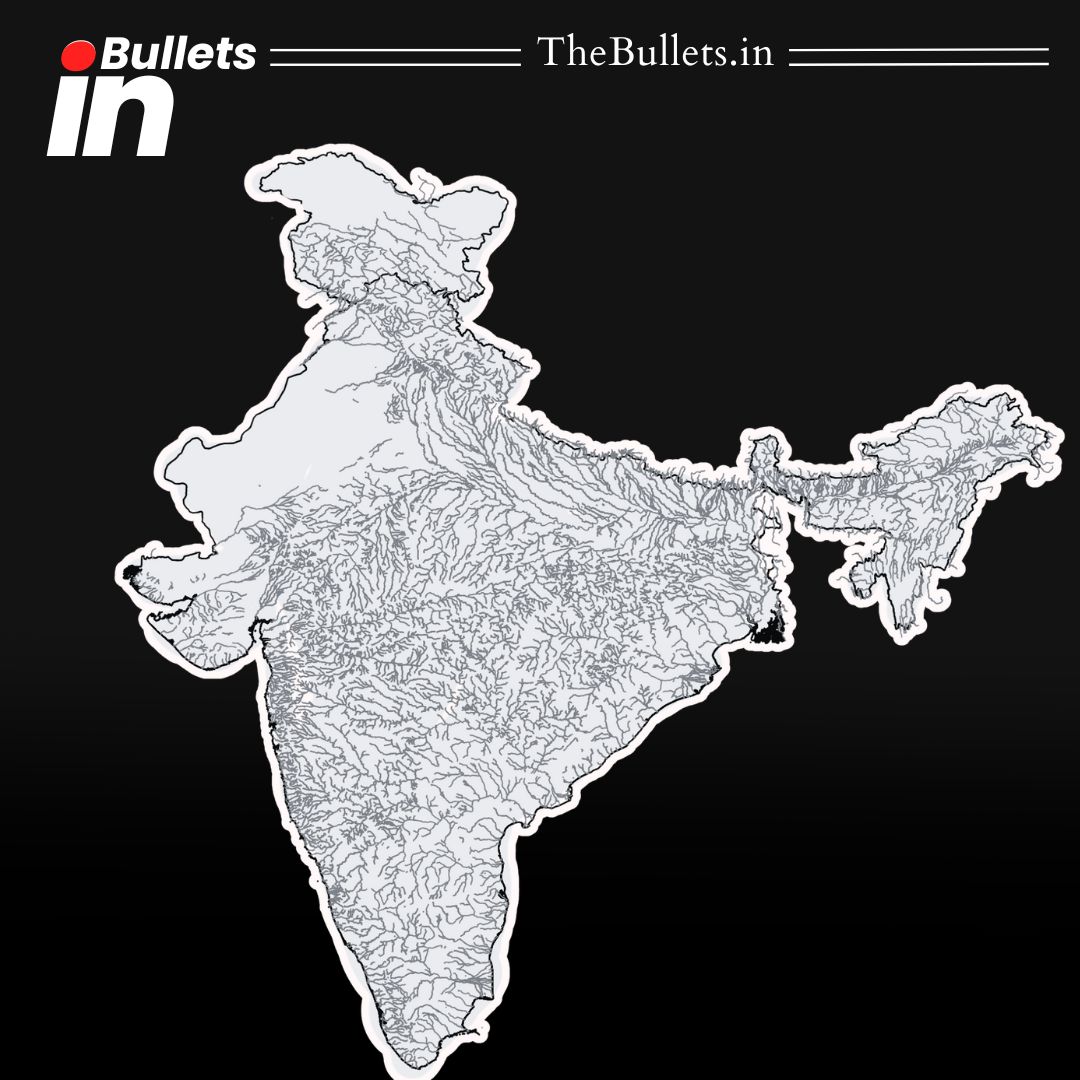


India’s ambitious river interlinking project aims to tackle water scarcity, improve irrigation, and control floods by redistributing water from surplus to drought-prone areas. First conceptualized in 1858, the plan has evolved to include 30 link projects, with the Ken-Betwa Link Project currently under implementation.
BulletsIn
- India has 17% of the world’s population but only 4% of freshwater resources, distributed unevenly.
- River interlinking connects water-surplus and drought-prone regions via canals, pipelines, and reservoirs.
- The idea dates back to 1858, with formal planning starting in 1980 under the National Perspective Plan.
- The Ken-Betwa Link Project, costing ₹44,605 crore, is the first project under implementation.
- KBLP aims to irrigate 10.62 lakh hectares of land and supply water to 62 lakh people annually.
- It will generate 130 MW of renewable energy but raises ecological concerns in the Panna Tiger Reserve.
- Interlinking could improve irrigation for 34 million hectares, generate 34,000 MW of hydropower, and reduce regional water imbalances.
- Concerns include habitat disruption, biodiversity loss, and changes in river morphology.
- High costs, time overruns, and inter-state conflicts are challenges to implementation.
- Experts suggest integrating localized solutions like rainwater harvesting and efficient irrigation with large-scale projects.



What do you think?
It is nice to know your opinion. Leave a comment.