











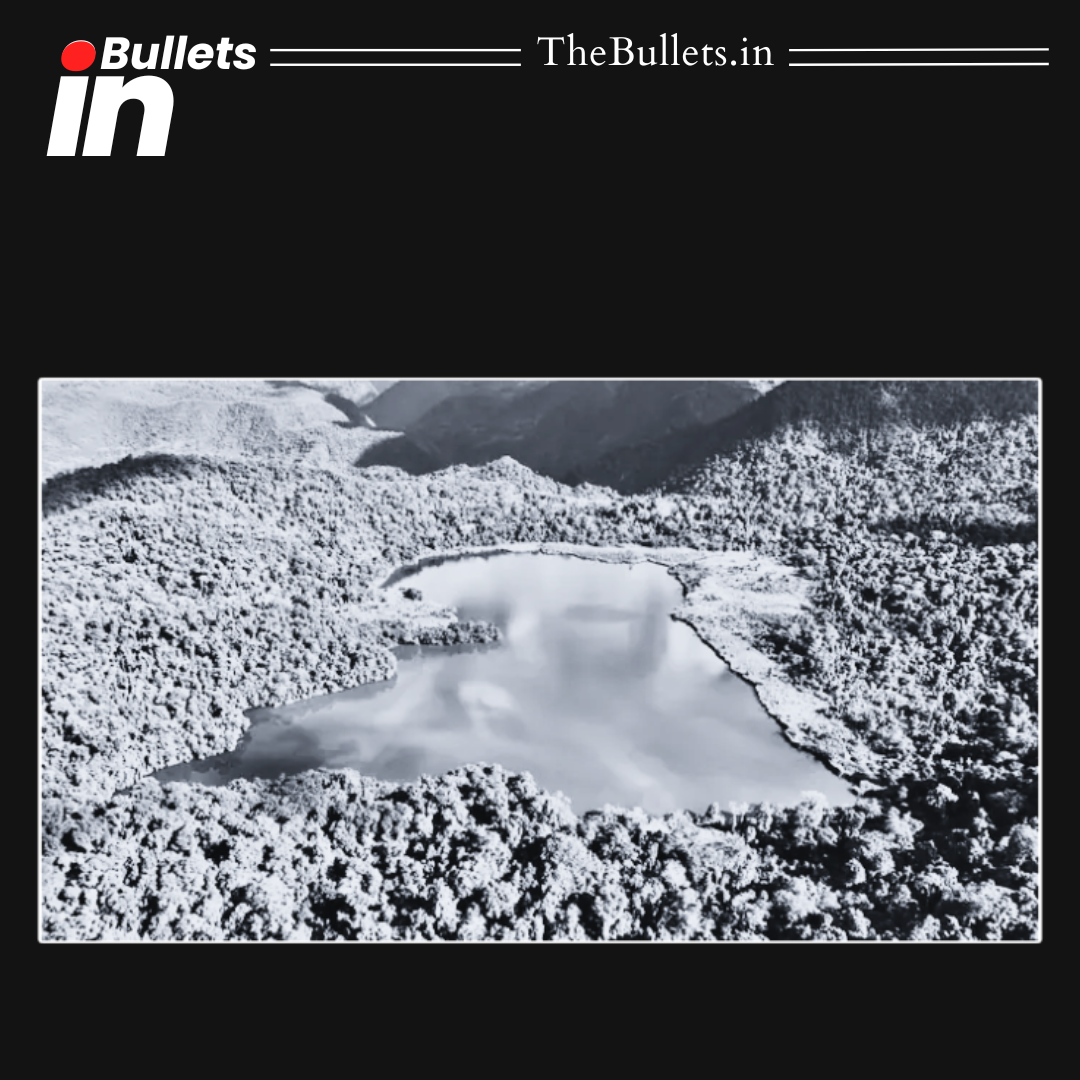


Glaw Lake in Arunachal Pradesh has been declared India’s 101st Ramsar Site, becoming the state’s first internationally recognised wetland. The designation strengthens India’s global commitment to wetland conservation, biodiversity protection, climate resilience, and sustainable ecosystem management.
BulletsIn
- Glaw Lake has been designated as India’s 101st Ramsar Site, making it the first Ramsar-listed wetland in Arunachal Pradesh and marking a major milestone in the state’s conservation efforts.
- The announcement was made on 3 August 2026 by the Ministry of Environment, Forest and Climate Change, highlighting India’s continued commitment to protecting ecologically significant wetlands.
- Located within the Kamlang Tiger Reserve and Wildlife Sanctuary in the Eastern Himalayas, Glaw Lake is a natural freshwater wetland surrounded by dense forests and perennial water sources.
- The wetland supports exceptional biodiversity, with more than 150 tree species, 49 orchid species, and a wide range of native flora and fauna that strengthen the region’s ecological balance.
- Ramsar recognition provides international importance to wetlands that play a critical role in water conservation, biodiversity protection, climate adaptation, flood regulation, and sustainable livelihoods.
- The designation is expected to strengthen scientific research, improve habitat conservation, promote eco-tourism, and enhance long-term management of fragile Himalayan wetland ecosystems.
- India now has 101 Ramsar Sites, reflecting the country’s expanding focus on wetland restoration and fulfilling its commitments under the Ramsar Convention on Wetlands.
- Adopted in 1971 at Ramsar, Iran, the Ramsar Convention is an international treaty dedicated to the conservation and sustainable use of wetlands across the world.



What do you think?
It is nice to know your opinion. Leave a comment.