











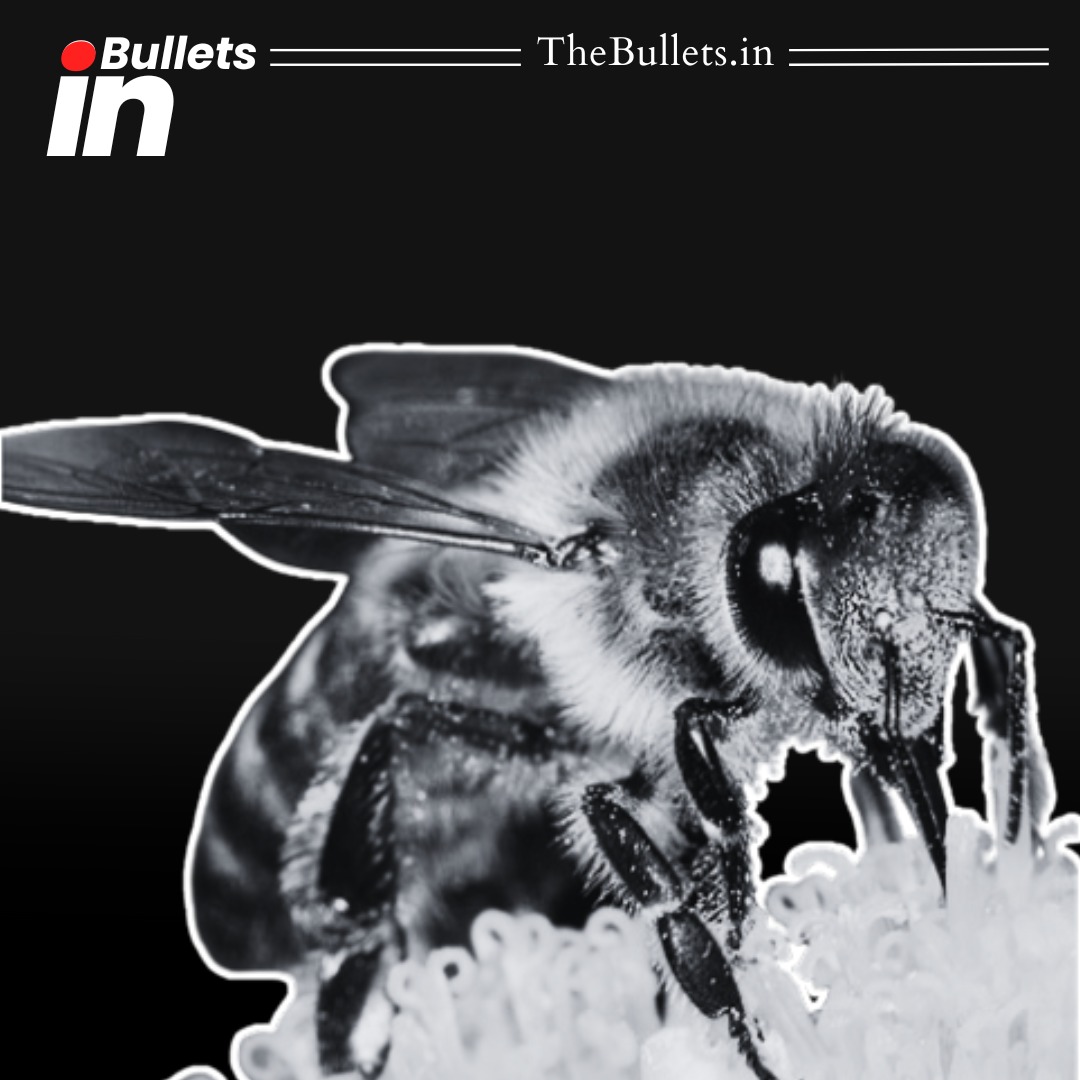


A growing threat to global agriculture comes from infectious diseases affecting pollinators like bees. These insects, which are crucial for pollinating more than 75% of food crops, are now facing new diseases worsened by habitat loss. This poses a serious risk to agricultural productivity and nutritional security worldwide.
BulletsIn
- Bees, wasps, beetles, flies, moths, and butterflies are essential for the pollination of over 75% of food crops and flowering plants.
- Pollinators play a key role in agricultural productivity, which impacts global food security.
- New infectious diseases are emerging among these pollinators, exacerbated by habitat loss.
- Habitat destruction and climate change are increasing the spread of these diseases.
- Pollinator decline could lead to food shortages and increased food prices.
- Over 40% of pollinators are already threatened by pesticides, pollution, and habitat loss.
- The loss of pollinators could affect economies dependent on agriculture, especially in developing nations.
- Research and global conservation efforts are necessary to combat the spread of these diseases.
- Efforts to protect pollinators must include habitat restoration and sustainable agricultural practices.
- Addressing the crisis is crucial for safeguarding future food systems and economies.



What do you think?
It is nice to know your opinion. Leave a comment.