











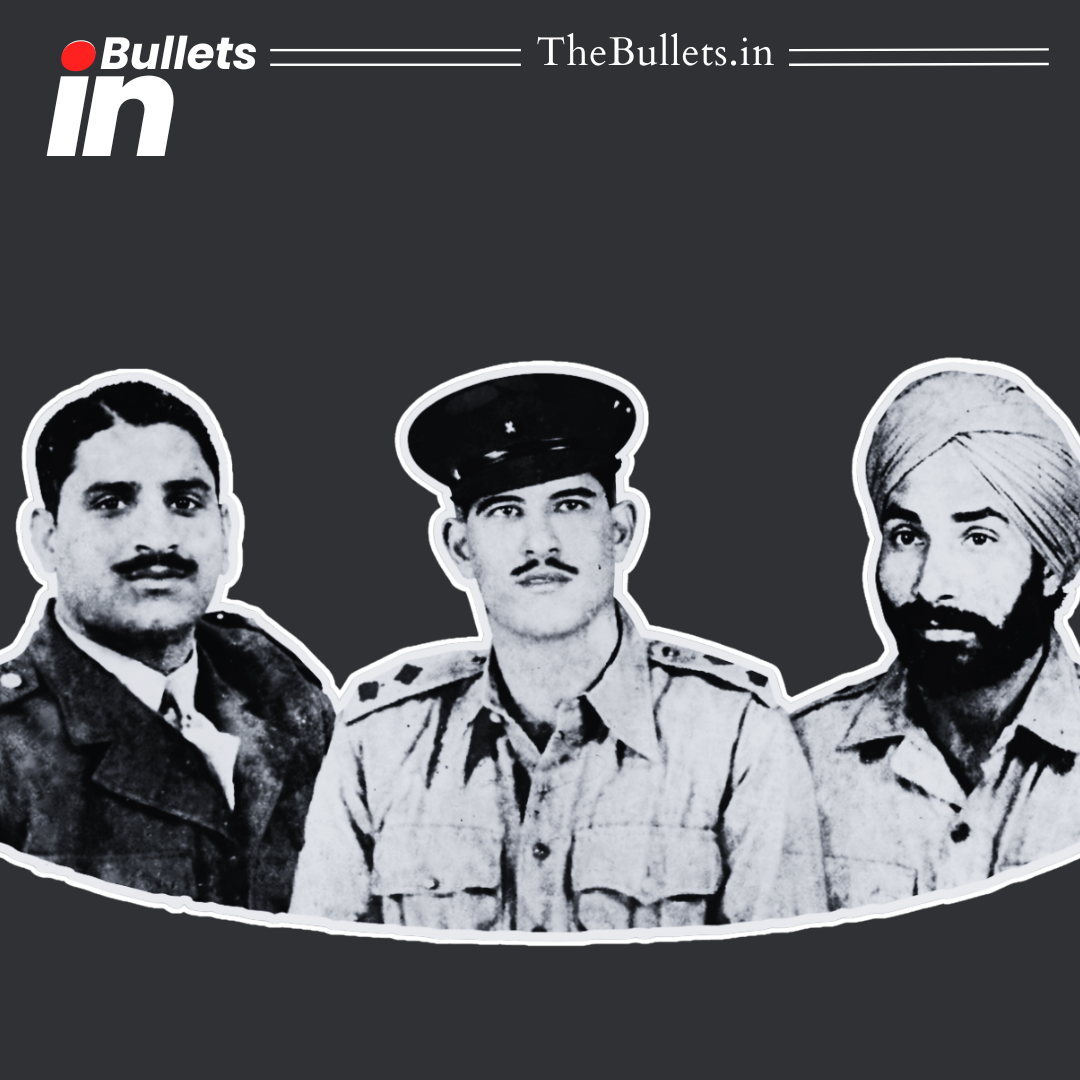


The Indian National Army led by Netaji Subhas Chandra Bose became a powerful symbol of armed resistance against British colonial rule, while the INA Trials and Royal Indian Navy Mutiny intensified nationalist sentiments across India.
BulletsIn
- The Indian National Army, also known as Azad Hind Fauj, was revived by Subhas Chandra Bose during World War II to fight British rule in India.
- Bose reorganised the INA in Singapore in 1943 and transformed it into a nationalist military force with nearly 60,000 soldiers.
- The INA included the famous Rani Jhansi Regiment led by Lakshmi Sehgal, one of India’s earliest women combat units.
- INA forces briefly captured parts of the Andaman Islands and Manipur during military operations alongside Japanese troops.
- After World War II ended in 1945, the British government launched the historic INA Trials or Red Fort Trials against captured INA officers.
- The trials of Shah Nawaz Khan, Prem Sahgal and Gurbaksh Singh Dhillon triggered nationwide protests and massive public support for INA soldiers.
- Rising nationalist anger after the INA Trials directly influenced the Royal Indian Navy Mutiny of February 1946 against British authorities.
- The growing unrest after the INA Trials and Naval Mutiny weakened British control and accelerated India’s path towards independence in 1947.



What do you think?
It is nice to know your opinion. Leave a comment.