











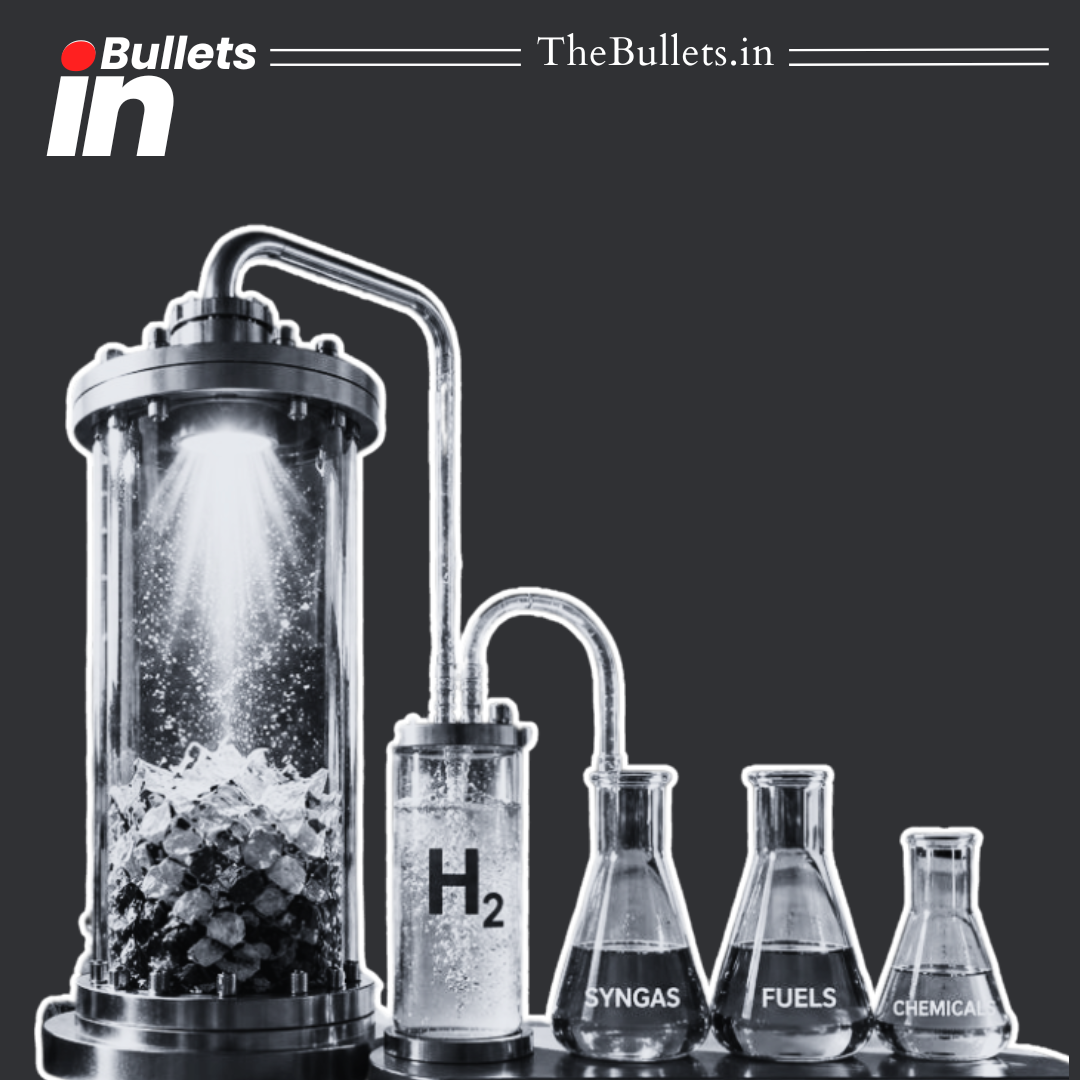


Scientists have developed sunlight-based photoreforming methods that convert hard-to-recycle plastic waste into hydrogen fuel and industrial chemicals, offering a major step toward cleaner energy and circular waste management.
BulletsIn
- Researchers have developed solar-driven photoreforming technology that converts plastic waste into clean hydrogen fuel using light-sensitive photocatalysts and low-temperature chemical reactions.
- The process can break down plastics such as polyethylene and polypropylene into hydrogen, syngas, acetic acid, and other useful industrial by-products.
- Scientists at the University of Cambridge created a durable photocatalyst that continued working for more than 260 hours without losing performance in laboratory tests.
- The Cambridge system used acid from old car batteries along with plastic waste to generate hydrogen fuel and valuable chemical outputs.
- Researchers at the University of Adelaide developed another sunlight-powered method that converted waste plastic into hydrogen, syngas, and liquid fuels.
- A metal-free carbon catalyst was also tested successfully on polyethylene and polypropylene, showing the potential for safer and more sustainable fuel production.
- With global plastic production exceeding 400 million tonnes annually, less than one-fifth of plastic waste is currently recycled worldwide.
- Scientists say this technology could support circular upcycling by turning discarded plastic into clean fuel, reducing pollution and lowering reliance on fossil resources.



What do you think?
It is nice to know your opinion. Leave a comment.