











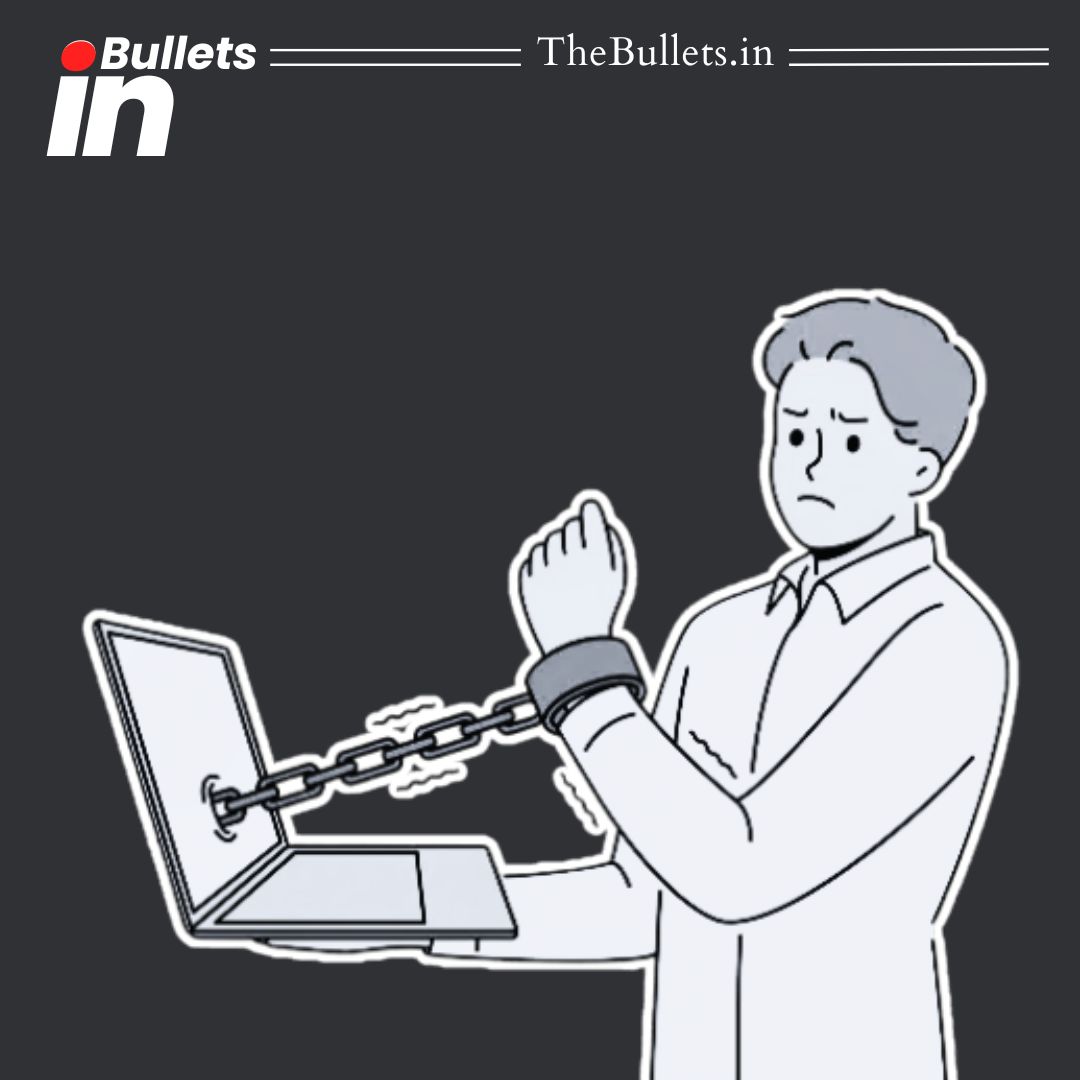


Modern slavery remains one of the most serious human rights challenges in India, affecting millions through bonded labour, human trafficking, child exploitation, and forced marriages despite legal protections and constitutional safeguards.
BulletsIn
- Modern slavery refers to exploitative situations where individuals are unable to leave due to threats, coercion, violence, abuse of power, or economic dependency.
- According to the Global Slavery Index 2018, India had nearly 18 million people living under modern slavery conditions, the highest absolute number globally due to its large population.
- Major forms of modern slavery in India include bonded labour, child labour, forced marriage, human trafficking, forced begging, and labour exploitation in unorganised sectors.
- Bonded labour is especially prevalent in brick kilns, textile industries, agriculture, embroidery, carpet weaving, mining, and manual scavenging activities across several states.
- Marginalised communities including Dalits, tribal groups, migrant workers, religious minorities, women, and children remain highly vulnerable to exploitation and trafficking networks.
- Poverty, unemployment, illiteracy, lack of financial access, weak labour protections, and dependence on informal employment contribute significantly to modern slavery practices.
- Human trafficking in India is driven by illegal recruitment networks, forced labour demands, commercial sexual exploitation, child trafficking, and organised criminal activities.
- Forced marriages continue to affect women and girls due to poverty, social pressure, patriarchal traditions, dowry practices, and concerns related to family honour.
- Victims of modern slavery often suffer physical violence, mental trauma, social exclusion, denial of education, poor health conditions, and loss of personal freedom and dignity.
- The government introduced laws such as the Bonded Labour System Abolition Act, Child Labour Act, Juvenile Justice Act, and anti-trafficking legal provisions to protect victims.
- Despite legal safeguards, poor implementation, low conviction rates, corruption, weak labour inspections, and ineffective monitoring continue to limit progress against modern slavery.
- Experts emphasise stronger law enforcement, universal education, livelihood opportunities, financial inclusion, labour rights protection, and social awareness to eliminate exploitative practices permanently.



What do you think?
It is nice to know your opinion. Leave a comment.