











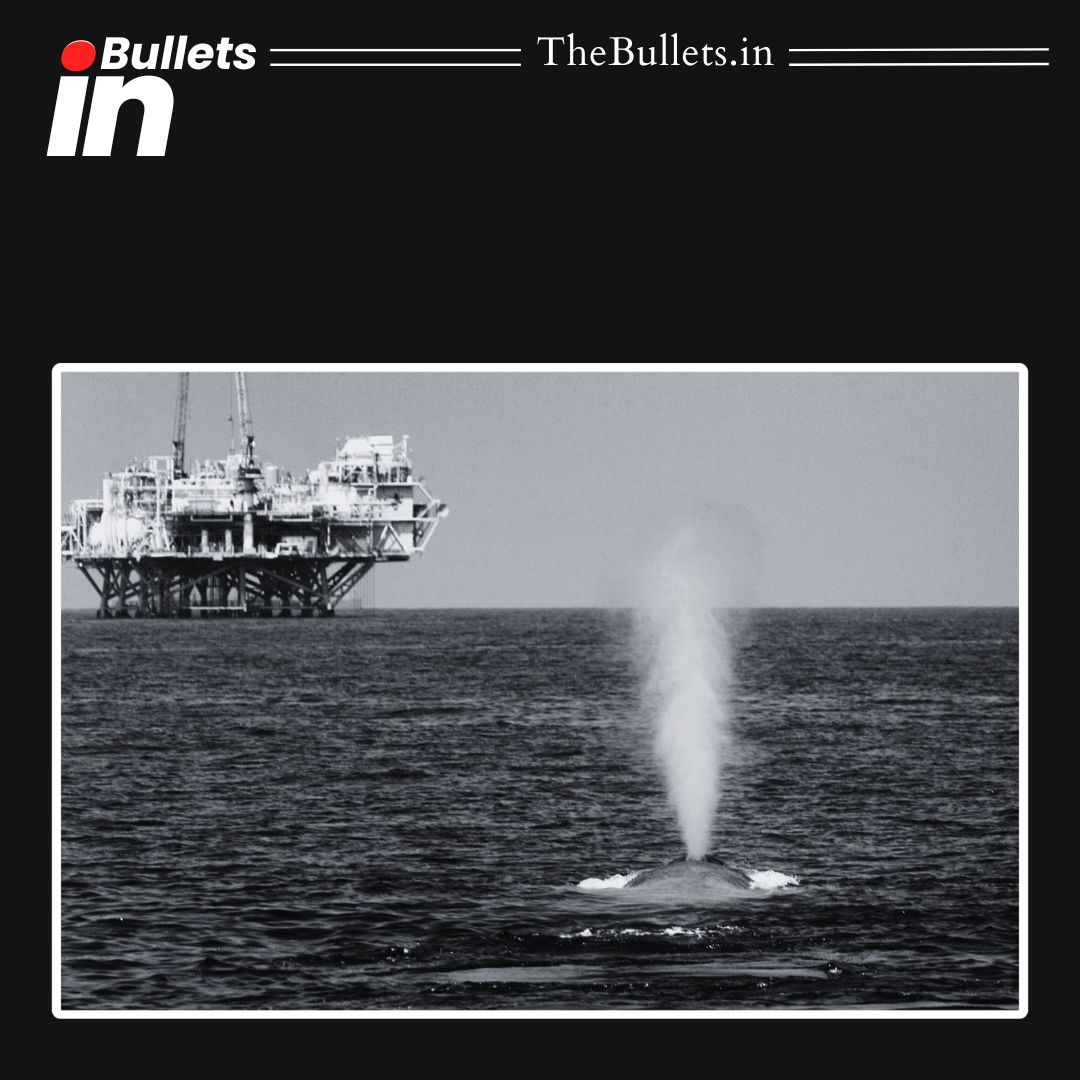


Ocean noise pollution is increasing rapidly as human activities intensify across global waters. With shipping traffic, energy exploration, and naval operations expanding, underwater soundscapes are changing, posing risks to marine ecosystems, biodiversity, and livelihoods—particularly in heavily used regions like the Indian Ocean.
BulletsIn
• Commercial shipping remains the dominant source, with vessel engines and propellers generating continuous low-frequency noise travelling vast underwater distances.
• Seismic air guns used in offshore oil and gas exploration emit powerful repetitive blasts, disrupting marine acoustic environments over wide areas.
• Naval sonar systems, pile-driving for coastal infrastructure, and fishing fleets collectively add significant layers of anthropogenic underwater noise pollution.
• Studies indicate underwater noise levels have doubled every decade in several regions since the 1960s, reflecting intensifying industrial maritime activity.
• Marine species depend on sound for communication, navigation, predator avoidance, and feeding in visually limited underwater environments.
• Noise masking interferes with whale songs and dolphin echolocation, impairing survival behaviours including mating, migration, and foraging efficiency.
• Physiological impacts include stress responses, behavioural disruptions, temporary or permanent hearing damage, and increased stranding risks.
• India’s 7,500-km coastline faces heightened exposure due to dense shipping lanes, offshore surveys, and growing Indian Ocean maritime traffic.
• Rising noise levels threaten biodiversity, including whales, dugongs, sea turtles, while affecting fisheries supporting millions of coastal livelihoods.
• Mitigation measures include reducing ship speeds, improving vessel design, adopting quieter exploration technologies, and establishing regulated marine quiet zones.



What do you think?
It is nice to know your opinion. Leave a comment.